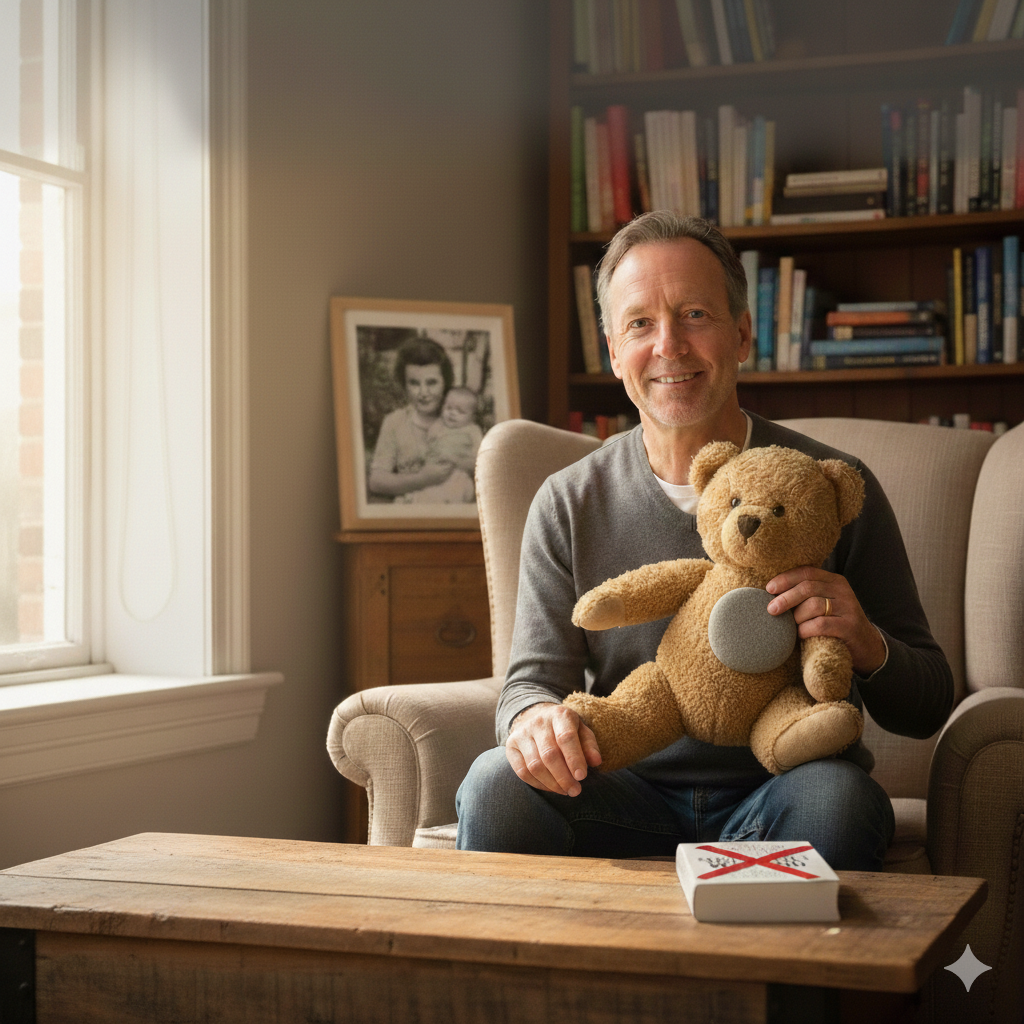
How One Adoptee Found His Place Between Two Families and Two Identities
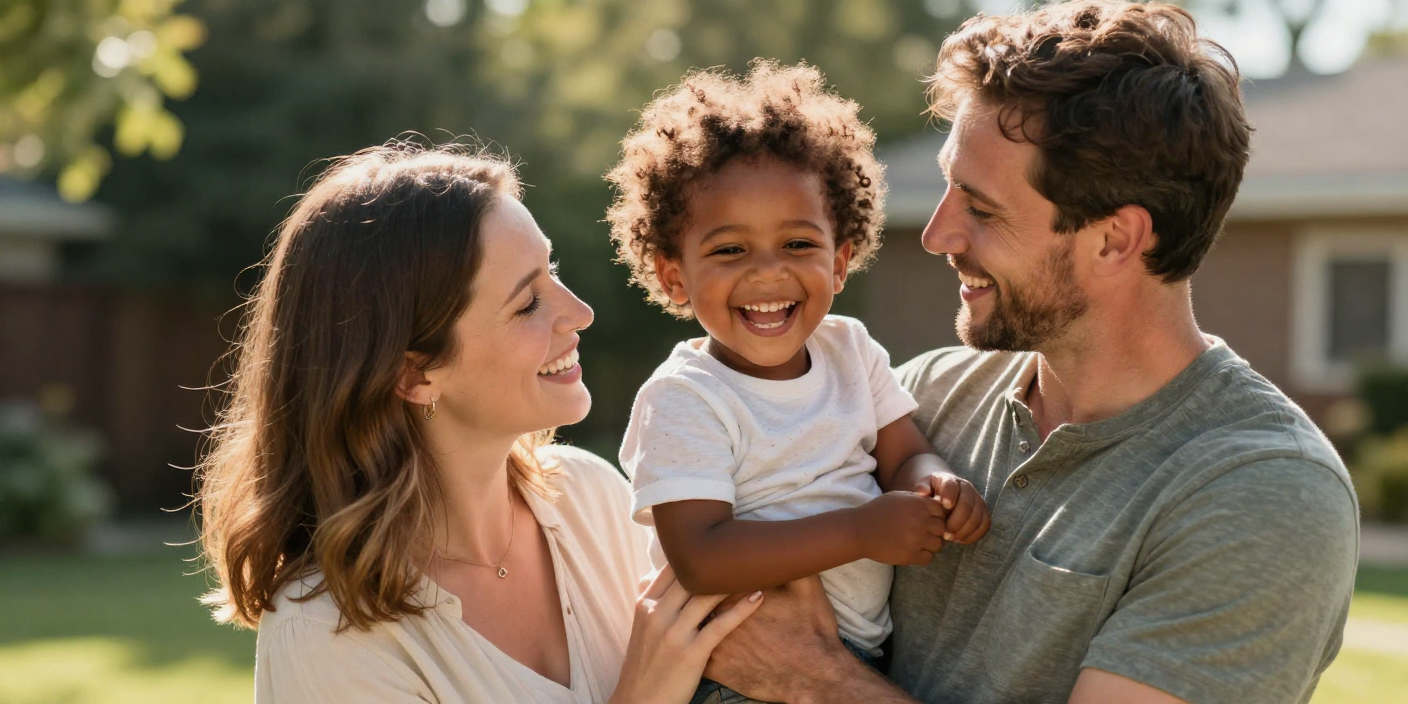
Colton was adopted at three months old into a family where four out of five children were adopted. His older sister was adopted. His older brother was adopted. His younger brother was adopted. And then there was Keely, the one biological child, who felt so left out that their father created fake adoption papers so she could feel included too. In this episode of Voices of Adoption, with host Donna Pope, Colton shares his journey through transracial adoption, identity formation, biological family reunion, and the ongoing work of maintaining relationships across two family systems that both feel like home.
Growing up in this multiracial household felt completely normal to Colton. He had white siblings and white parents, so he never thought twice about being Black. That all changed around age 10 when people outside his family started pointing out differences. Suddenly, he was expected to act certain ways, dress certain ways, and fit stereotypes he'd never related to. The identity crisis that followed would shape his teenage years until he found refuge in the one place where his skin color didn't matter: the football field.
Growing Up Different Without Knowing It
Colton's family looked like a collection of hands in different shades. His older brother Garrett, himself, his younger brother Willie, and sisters Lexi and Keely created a visual representation of what multiracial adoption looks like. But to Colton as a young child, this was just what family looked like. Everyone was different. That felt normal. They grew up on a farm where kids ran outside from sunup to sundown. Their house was the neighborhood magnet, with children constantly flowing in and out. Colton's mother managed the chaos with grace, creating a home base where everyone felt welcome. Sports, outdoor play, and sibling adventures filled those early years.
Utah has historically had the nation's highest child adoption rate, largely due to the influence of The Church of Jesus Christ of Latter-day Saints, according to the National Committee for Adoption. Transracial adoption requires additional awareness and intentionality from adoptive parents to help children navigate identity formation in communities that may not reflect their racial or cultural background. It wasn't until around age 10 that Colton started noticing people's reactions. When others pointed out that his family members didn't look alike, he began questioning whether his normal was actually normal. The realization that not everyone lived in multiracial families marked the beginning of a difficult period.
The Identity Crisis Years
Middle school and early high school brought the hardest years. Colton grew up in a predominantly white area where very few Black people lived. Without diverse representation in his immediate community, people formed their expectations about how Black people should act from television and news media. When Colton didn't fit those stereotypes, it confused them. The pressure came from multiple directions. He felt expected to act certain ways, dress certain ways, and talk certain ways.
But he had white siblings who acted the way he acted, and that was fine for them. Why wasn't it fine for him? Cognitive dissonance created confusion and pain. Colton went through a phase of trying to fit the stereotype others expected. He asked his mother to buy different clothes. He tried to look the part of what people had decided he should be. The experience was difficult and isolating, made worse by the fact that he didn't feel the cultural pull from within. It was being imposed on him from outside, which made it feel inauthentic.
Sports as Sanctuary
Sports saved Colton during those identity crisis years. Football, basketball, and track became spaces where skin color didn't matter. On a team, you're judged by one thing: how good you are. That meritocracy gave Colton breathing room to figure out who he was without external pressure to perform a racial identity he didn't feel. The camaraderie he found in sports provided something crucial: acceptance based on ability rather than appearance.
Teammates saw him as an athlete first. That shift in how others perceived him gave him space to develop confidence in his authentic self rather than the stereotype others projected onto him. Colton credits sports with helping him navigate through those difficult years. For many young people struggling to find where they fit, team sports offer a place of belonging that transcends racial and cultural differences. The shared goal of winning creates bonds that would be difficult to form in other contexts.
The DNA Test and Portland Reunion
By the time Colton reached adulthood, questions about his biological family had been present in the back of his mind for years. He wondered what they were like. He wondered if he might fit in better there. But he didn't actively pursue reunion until his adoptive mother took matters into her own hands. Colton's mother did DNA testing through Ancestry.com and conducted the detective work to track down biological relatives. She found one of Colton's aunts living in Portland, who connected them with his birth mother Catherine. The reunion was arranged, and everyone met in Portland.
Colton's stepfather compared the moment to a Hallmark movie. Despite having no pictures or prior knowledge of what anyone looked like, they recognized each other immediately. The connection felt instant and genuine. They walked around Portland together, talking and getting to know each other, navigating the strange dynamic of being strangers who were supposed to immediately connect. According to the Church's Adoption Reunification guide, reunions between adoptees and biological families require patience, openness, and realistic expectations from all parties involved. The guide acknowledges that timing matters and that relationships develop gradually rather than instantly.
Finding What Was Missing
After the Portland reunion, Colton made multiple trips to Colorado to spend time with Catherine and his extended biological family. The experience of discovering a completely new family felt like adding to rather than replacing the family he already had. Both families became important to him in different ways. Colton describes feeling something missing before reunion, though he hesitates to call it a hole. Meeting his biological family helped him feel more complete.
Not entirely complete, because his birth father had passed away years before, leaving questions that may never be fully answered. But more complete than before. The complexity of maintaining relationships across two family systems doesn't overwhelm Colton, partly because he admits he's not the best communicator. The connections happen organically rather than feeling forced. His biological mother has joined his adoptive family for Thanksgiving dinner. His parents have met Catherine multiple times and developed their own relationship with her.
Messages to the Triad
When asked what he would say to his birth mother Catherine, Colton's response carries no resentment. She was 14 when she placed him for adoption. She made the decision while her own mother was pregnant at the same time with one of Colton's aunts. The family wasn't in a position to handle multiple babies simultaneously. Colton views her choice as the best decision she could have made under difficult circumstances. He harbors no ill will. Instead, he feels gratitude that she chose adoption rather than alternatives like abortion. He wishes there was less shame around the adoption decision because he sees it as responsible rather than shameful.
For adoptive parents, Colton recommends the model his own parents used: complete openness and honesty from the beginning. Hiding adoption or waiting to tell children creates more problems than it solves. His parents told all their children they were adopted early on and made it clear they would support searches for a biological family whenever the children were ready. To fellow adoptees considering reunion, Colton offers realistic hope. Not every reunion works out well, and he acknowledges his experience has been better than his siblings' experiences. But there's value in knowing, even if the experience is difficult. The clarity and peace of mind that comes from connection can fill something important.
A Family Transformed
Today, Colton is a father to two children of his own. His son Slade reminds him of his younger brother William, both friendly kids who seem to be universally liked. His daughter Minor runs around the house singing, living in her own joyful world. As a Black father raising biracial children, Colton knows they'll face challenges navigating identity just as he did. The difference is that Colton has already walked that path. He knows what it feels like to have external expectations imposed on an authentic identity. He knows how sports and other accepting communities can provide refuge during difficult years.
He knows that biological connection matters for some adoptees and that reunion can bring wholeness when approached with openness and realistic expectations. His four adopted siblings have had different experiences with reunion. His older brother and sister both reunited with biological families but maintain different levels of ongoing connection than Colton does. His younger brother may have found his biological mother but hasn't pursued the relationship with the same intensity. Each adoptee's journey is unique.
Ready to hear Colton's full story? Listen to this episode of Voices of Adoption and discover how one transracial adoptee navigated identity, reunion, and the beautiful complexity of maintaining relationships in two families. For adoption support and resources, visit Heart To Heart Adoptions or call their 24/7 support line at (801) 563-1000.
#TransracialAdoption #AdopteeStory #IdentityCrisis #BiologicalReunion #MultiracialFamily #BlackAdoptee #AdopteeVoice #DNASearch #AdoptionReunion #SportsAndIdentity #OpenAdoption #AdopteeIdentity #FindingBiologicalFamily #AdoptionPositive #VoicesofAdoption
Follow or Subscribe to Voices of Adoption on your favorite platform:
Website: VoicesofAdoption.org | YouTube: @VoicesofAdoptionShow | Twitter/X: Voices_Adoption | Instagram: Voicesof_Adoption | Facebook: Voices of Adoption | TikTok: @Voices_of_Adoption | LinkedIn: @Voices-of-Adoption
Follow Nathan Gwilliam:
LinkedIn: @nathangwilliam
LinkedIn: @donna-pope-41652ba