What a Birth Mom in Recovery Taught This Foster Mom About Addiction
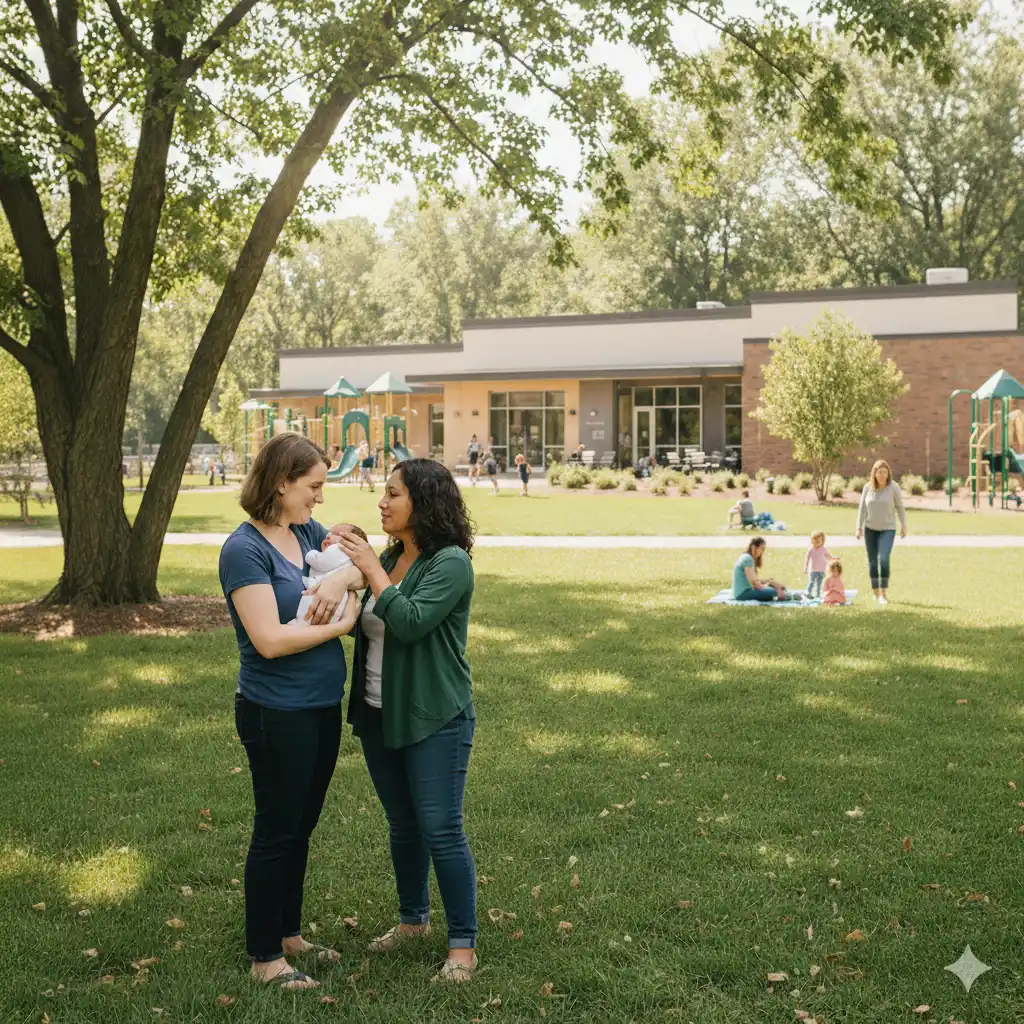
Christina Dent never expected foster care to change her worldview. But when she and her husband started fostering in 2014, their second placement shattered everything she thought she knew about addiction, birth parents, and what children truly need. That experience led her to found End It For Good, a nonprofit advocating for health-centered approaches to substance use instead of criminalization. Her core argument challenges assumptions that dominate policy in most states: punishment doesn't protect children. Connection does.
In this episode of Voices of Adoption, host Donna Pope speaks with Christina about the birth mother who ran across a parking lot to kiss her newborn, the treatment center that let families stay together, and the question every foster parent must eventually answer. Christina and her husband started fostering in 2014. Their three placements produced three different outcomes: one child they adopted, one returned to family with an ongoing connection, and one left after two years with no contact since. That last goodbye still reverberates through their family eight years later. But it was their second placement that rewrote everything Christina thought she knew about addiction, parenting, and what it means to help a child.
She Expected a Villain.
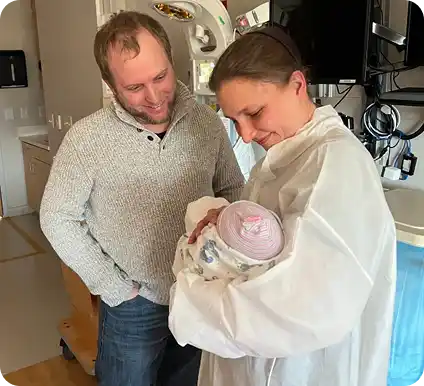
When baby Beckham came to them straight from the hospital, Christina expected his birth mother, Joanne, to fit the stereotype she'd absorbed growing up in Mississippi: that people who use drugs are bad people who don't love their children. The cultural message was simple. Just stop. If you really wanted to be a mother, you would.
Then she pulled into a parking lot and watched Joanne come running toward her in tears, desperate to kiss her newborn son. She answered daily phone calls where Joanne asked every detail about her baby and then sang to him over speakerphone from a treatment center two and a half hours away. She visited a facility that allowed mothers to keep their babies during recovery and found staff in plain clothes, therapy dogs, a nursery, and people cheering for families to stay together. Everything Christina thought she knew fell apart.
Ten Years Sober Today.
She went back to square one and started learning. That journey led her to launch End It For Good, a nonprofit that advocates for health-centered approaches to substance use rather than criminalization. Today, Joanne is 10 years sober, working at the same treatment center where she got clean, and raising Beckham herself.
Not every story ends this way. Christina is the first to say so. But her argument isn't that recovery is guaranteed. It's that opportunity that matters. If Joanne had been arrested instead of entering treatment, we already know what the outcome would have been.
Why Punishment Backfires
Research published in PMC found that approximately 16% of reunified children reenter foster care within five years, with parental substance abuse as one of the strongest predictors of reentry. The instinct is to crack down harder. But the data suggests otherwise.
Casey Family Programs reports that women who complete 90 or more days of substance use treatment nearly double their likelihood of reunification with their children. Women who enter treatment early spend less time separated from their kids. The single strongest predictor of successful reunification isn't punishment. It's treatment completion.
Fear doesn't drive mothers into doctors' offices. It drives them underground. A pregnant woman terrified of arrest, prosecution, or losing her child permanently doesn't seek prenatal care. She hides. The baby these policies claim to protect ends up with no medical support at all.
Families Heal Together
The facility where Joanne got sober, Fairland Treatment Center in Mississippi, is one of only two in the state that allows mothers to bring their children into residential treatment. Nationally, these programs remain rare. But the research supports expanding them.
A meta-synthesis of 12 studies found that mothers in family-centered treatment reported improved parenting skills, stronger relationships with their children, and increased motivation for recovery. Children remained a powerful factor in treatment engagement. Mothers stay longer and achieve better outcomes when they don't have to choose between getting clean and keeping their kids.
Volunteers of America reports that 90% of mothers who completed residential family-based treatment were highly satisfied with services, and 100% felt they benefited from the program. The model works. It just isn't available in most places.
Drugs Aren't the Problem
Christina learned something else along the way: addiction isn't really about the substance. It's about what the substance is doing for the person using it. What is it numbing? What pain becomes bearable only when the edges are blurred?
An addiction therapist she knows stopped focusing sessions on the drug itself. He started asking about life. Trauma. Relationships. Disconnection. That's when clients started improving. Heal the deeper wound, and the need for numbing fades. Build real connections, and substances lose their grip. The path out of addiction runs through relationships, not courtrooms.
Love Enough to Let Go
Christina poses a question that most foster parents don't want to answer. Can we love a child enough not to keep them? Can we love them enough to return them to their birth family instead of making them ours?
It sounds backwards. We assume love means holding on. But sometimes the greatest gift is letting go so a child can grow up with the family they came from. It's not always possible. It's not always safe. But when it is, walking that road requires a different kind of love than most of us are taught. Foster care was never meant to be a pipeline to adoption. It was meant to be a bridge. Sometimes that bridge leads back home.
What Foster Families Can Do
Christina's story offers a challenge to families considering foster care or foster-to-adopt. The question isn't just "am I ready to love this child?" It's also "Am I ready to support their birth family?" That might mean advocating for access to treatment rather than assuming the worst. It might mean cheering for reunification even when part of you hopes it doesn't happen. It might mean staying connected after a child leaves, offering support to a family rebuilding itself. It's harder than keeping a child. It's also sometimes exactly what that child needs.
Looking for support on your adoption journey? Visit VoicesofAdoption.org for support, resources, and community from every corner of the adoption constellation. Subscribe to the Voices of Adoption show for real stories and resources that help families across the adoption constellation find support and for expert insights on adoption wellness.
Follow or Subscribe to Voices of Adoption on your favorite platform:-
Website: VoicesofAdoption.org | YouTube: @VoicesofAdoptionShow | Twitter/X: Voices_Adoption | Instagram: Voicesof_Adoption | Facebook: Voices of Adoption | TikTok: @Voices_of_Adoption | LinkedIn: @Voices-of-Adoption
Follow Nathan Gwilliam - LinkedIn: @nathangwilliam
Follow Donna Pope - LinkedIn: @donna-pope-41652ba
Follow Christina Dent - Website: EndItForGood.com | LinkedIn: @ChristinaBDent
| Instagram: @ChristinaBDent | Facebook: ChristinaBDent | Twitter/X: @ChristinaBDent