The Family Mission Statement Every Adoptive Parent Needs to Write

Adoption changes everything about how a family operates. New routines, new relationships, new questions that nobody warned you about. But according to early childhood educator Danielle Baker, there is one thing that can anchor an adoptive family through every storm, and it has nothing to do with paperwork, therapy appointments, or sleep schedules. It starts with knowing what you stand for.
In this episode of Voices of Adoption, host Donna Pope talks with Danielle Baker, a registered early childhood educator, family connection specialist, and founder of Being Connected eLearning Inc. With years of experience supporting families through adoption transitions, developmental challenges, and post-placement adjustments, Danielle brings a perspective that is equal parts practical and personal. Her message to adoptive families is simple but urgent: get clear on your values, and then play with your kids.
Getting Clear on Values
Danielle argues that the most overlooked step in the adoption journey happens long before placement day. It is the moment when parents sit down and decide what their family actually stands for. Not in vague terms, but in specific, defined language that everyone in the household understands the same way.
She draws a distinction that catches most families off guard. Nearly every family says they value honesty, respect, and love. But when you ask two partners what "respect" looks like in practice, you often get very different answers. Research supports this idea. A longitudinal study published in the Journal of Personality and Social Psychology found that parental warmth and responsiveness were significantly associated with higher self-esteem in children from ages 10 through 16, according to PMC. The family environment shapes how children see themselves, and that environment starts with clearly defined values.
Danielle compares family values to a rudder on a ship. You can have the most beautiful yacht on the water, but without a rudder, you are at the mercy of every wave. She encourages families to go further than just naming their values. She wants them to define what each value means, identify what it looks like when someone crosses the line, and revisit those definitions regularly. She also points out that social media has made this work harder than ever. Parents are bombarded with other families' highlight reels, making it easy to lose sight of what matters to them. Without clarity on your own values, you end up chasing someone else's definition of a good family.
Writing a Family Mission Statement
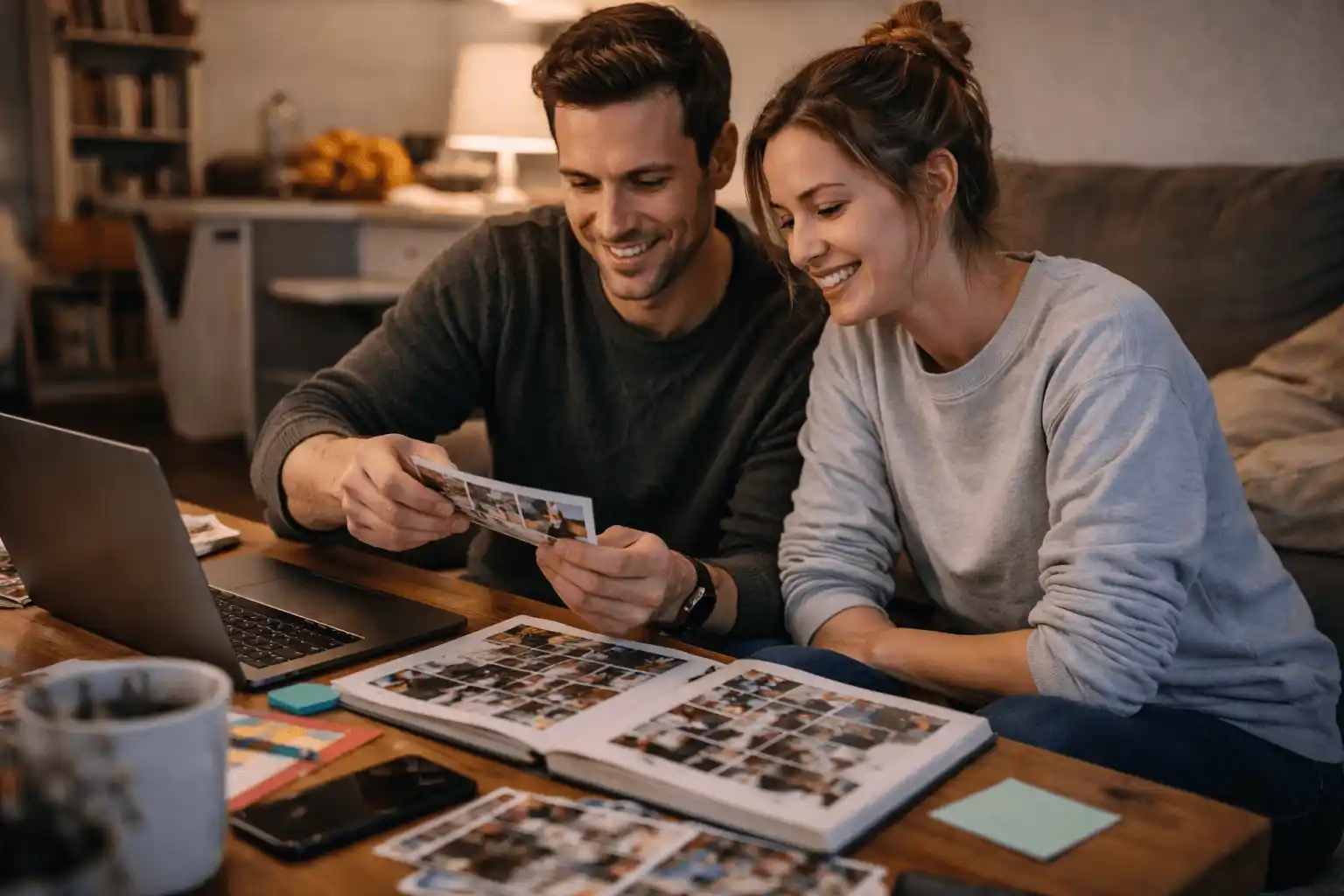
One family Donna mentions in the episode took this advice to heart before they even knew Danielle. This family had three biological children and adopted three more. Before expanding their family, they sat down together and wrote a family mission statement, outlining the values they wanted to live by and the specific behaviors that would reflect them.
Danielle lights up when she hears this story because it mirrors exactly what she recommends. She points out that organizations undergo strategic planning every five to seven years to realign with their mission and values. Families rarely do this on a personal level, and she thinks that needs to change. Today, approximately 95 percent of domestic infant adoptions include some level of openness, according to the Adoption Network. That means adoptive families are navigating ongoing relationships with biological parents, extended family members, and support networks. Having a shared mission statement gives everyone a reference point when disagreements arise.
Danielle also raises an important point about inherited values. Sometimes, the values we carry into adulthood were handed to us by parents, churches, or communities without us ever examining them. The family you are creating may look very different from the one you grew up in, and your values need to reflect that new reality.
Protecting Children from Alienation
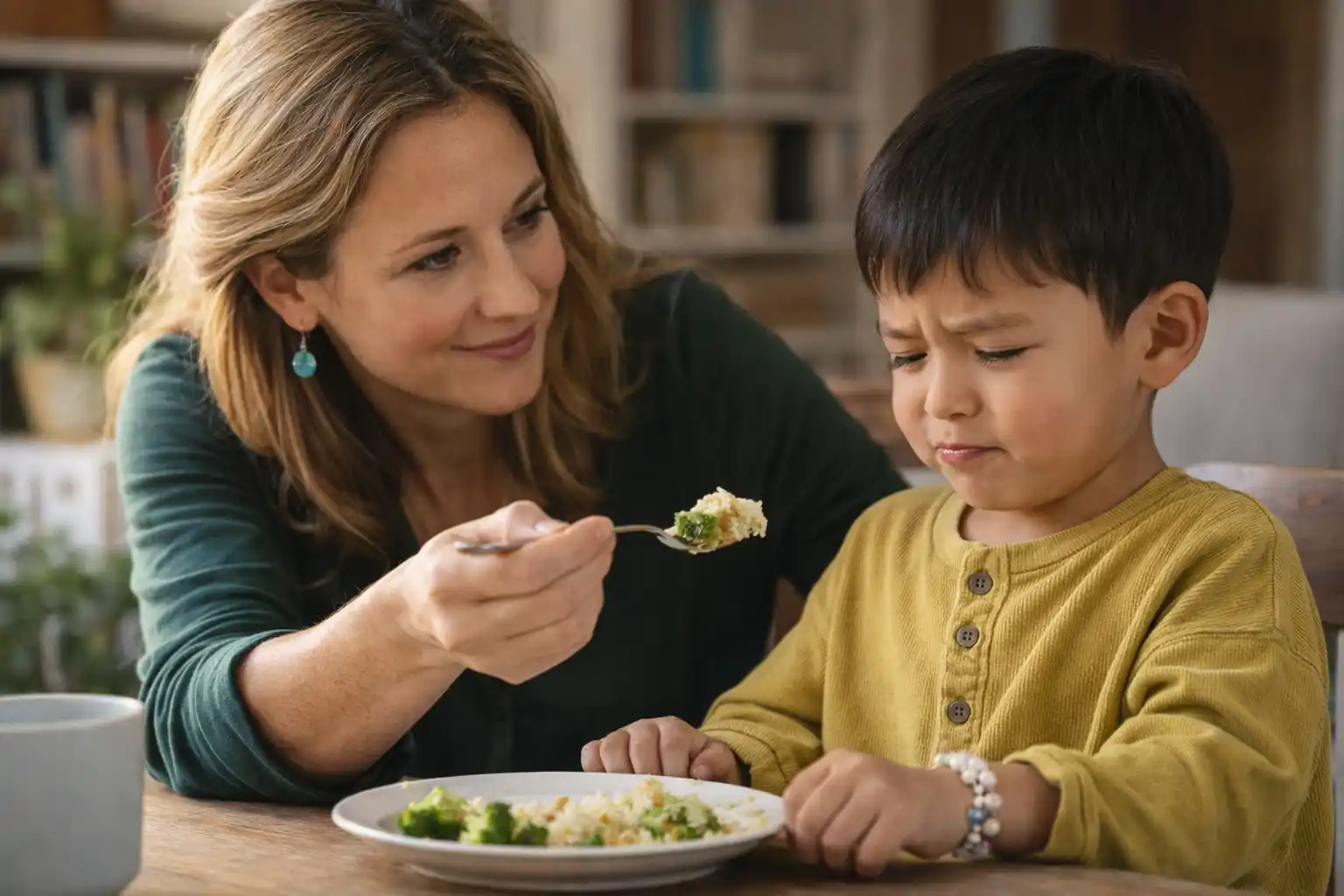
The conversation takes a serious turn when Donna asks about parent alienation in the adoption context. Danielle explains that when one parent speaks negatively about another, children internalize that criticism as a reflection of themselves. Young children do not see fault in adults’ actions. They believe the grown-ups in their lives have everything figured out. So when they hear that a biological parent is "bad" or "irresponsible," they quietly conclude that they must be bad too, because they came from that person.
This is not just anecdotal. Research published in PMC found that children exposed to parental alienating behaviors experience self-esteem issues, anxiety, depression, substance use, increased suicidality, and school-related difficulties as both immediate and long-term effects. The Parental Alienation Study Group estimates that at least 3.9 million children in the United States are moderately to severely alienated from a parent.
Danielle stresses that even nonverbal communication counts. Eye rolls, sighs, and tense body language when discussing the other parent. Children are fluent in 99 nonverbal languages, she says, and they pick up on every signal. Instead of criticizing, she suggests telling children that all the adults in their lives love them, that the adults are still figuring things out, and that the situation is not the child's fault.
Play Is the Answer
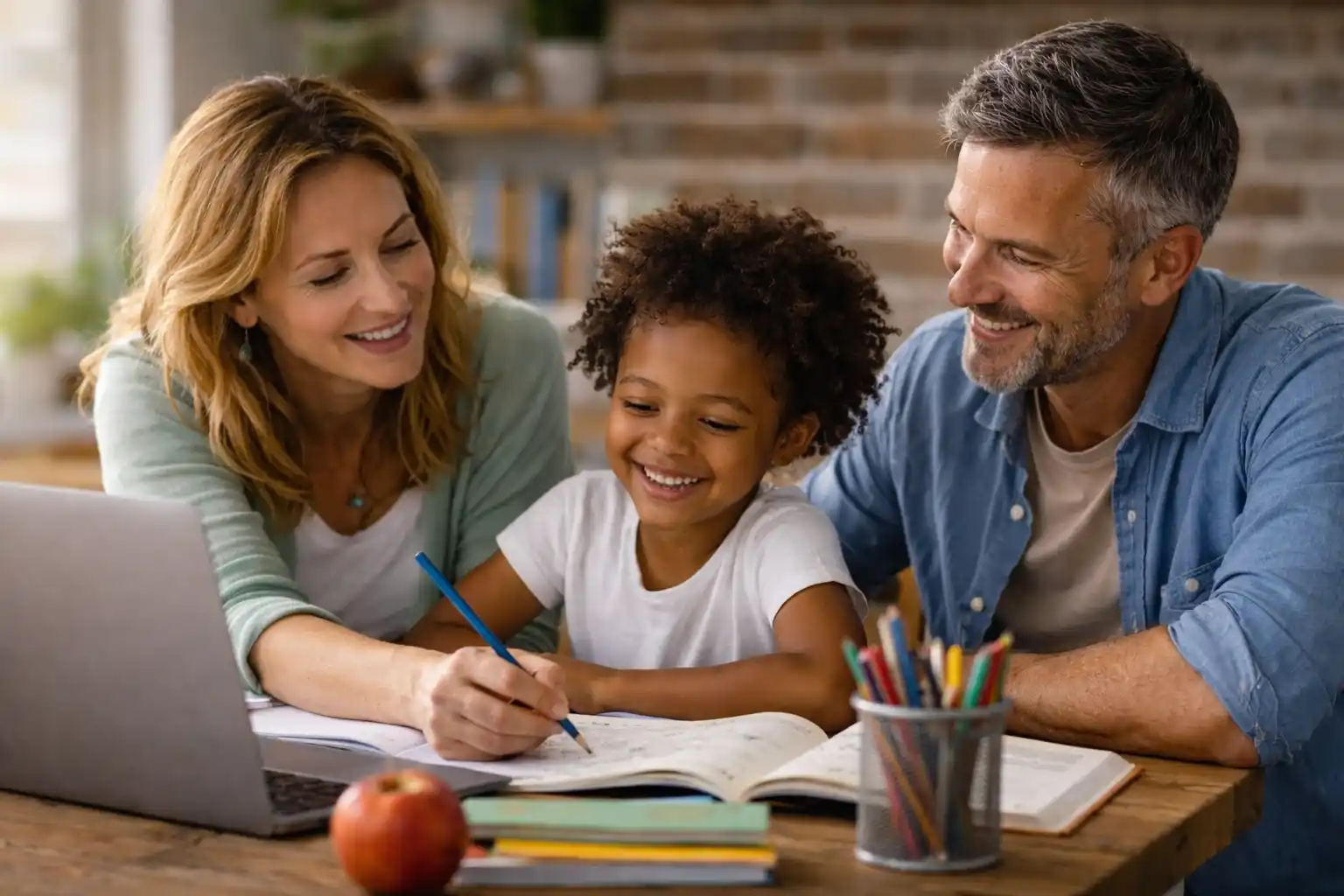
When Donna asks Danielle for her single best piece of advice for adoptive families, the answer comes immediately: play. Not structured activities, not organized sports, not educational toys that light up and make noise. Unstructured, free, get-on-the-floor-with-your-kid play.
The American Academy of Pediatrics published a clinical report stating that developmentally appropriate play with parents and peers is a singular opportunity to promote social-emotional, cognitive, language, and self-regulation skills that build executive function. A 2022 longitudinal study from Australia, published in Early Childhood Research Quarterly, found that free play in the toddler and preschool years predicted self-regulation abilities two and four years later, according to researchers at several Australian universities.
Danielle explains that when children play freely, they drop the masks they wear in structured settings. They stop worrying about sitting still, being quiet, and following rules. And in that freedom, they reveal who they really are. For adoptive parents, this is invaluable. You get to see where your child is developmentally. You get to observe how they learn, what stories they tell, and what themes keep surfacing. Play also builds the parent-child bond in ways that nothing else can replicate.
And the benefits are not just for the child. Danielle admits that when the administrative pressures of running a preschool became overwhelming, she would walk into the classroom and play with the kids for five or ten minutes. It reset everything. She came back calmer, more focused, and more present. Play, she says, is just as good for the parent as it is for the child. She also emphasizes that play does not require expensive materials. Cardboard boxes, leaves, rocks, and whatever else is available outside will do. The most imaginative play happens with the simplest materials, and when parents resist the urge to direct the activity, children take the lead in ways that surprise everyone.
Healing Together
Donna closes the episode by asking about trauma, and Danielle does not shy away from the topic. She acknowledges that everyone in the adoption constellation experiences some form of it. Birth parents grieve the child they could not raise. Adoptive parents carry the weight of infertility or the stress of the adoption process. And adoptees may struggle with feelings of abandonment or disconnection. National survey data show that about 85 percent of adopted children are in excellent or very good health and receive strong parental support, according to LifeLong Adoptions. The majority of adoptive families thrive, but the path to getting there requires intentional support.
Danielle's approach to healing starts with self-awareness. She encourages parents to identify their triggers, to notice when they are reacting instead of responding, and to resist the urge to isolate. She compares the experience to being inside a snow globe that has just been shaken. When you are surrounded by glitter, you cannot see anything clearly. But eventually, the glitter settles, and the path forward becomes visible. The key is finding people who have been through the same thing and made it to the other side.
She emphasizes surrounding yourself with people who understand your reality, not those who brush off your struggles with "you've got this." Communities of adoptive parents, support groups, and professionals who specialize in adoption all provide the kind of understanding that friends and extended family members may not. And she brings it back to play. When you show your child that you can rest, be yourself, and sit on the floor and build something out of cardboard boxes, you are modeling what healing looks like. You are teaching them that life includes hard things, and that we can take control and make it better.
Subscribe to Voices of Adoption for more conversations with the people who are changing how we think about adoption, family, and connection. Listen to the full episode of Voices of Adoption to hear Danielle share her complete framework for helping adoptive families build stronger connections through values and play.
#Adoption #AdoptiveFamilies #FamilyValues #PlayMatters #ParentingTips #VoicesOfAdoption #OpenAdoption #AdoptionSupport #ChildDevelopment #EmotionalRegulation #TalkToDanielle #BeingConnected #DanielleCBaker #ConnectedParenting #BringingUpTheWorld #RECE #EarlyChildhoodEducation #ParentHealing #BreakingPatterns #SelfLeadership
Follow or Subscribe to Voices of Adoption on your favorite platform -
Website: VoicesofAdoption.org | YouTube: @VoicesofAdoptionShow | Twitter/X: Voices_Adoption | Instagram: Voicesof_Adoption | Facebook: Voices of Adoption | TikTok: @Voices_of_Adoption | LinkedIn: @Voices-of-Adoption
Follow Nathan Gwilliam - LinkedIn: @nathangwilliam
Follow Donna Pope - LinkedIn: @donna-pope-41652ba
Follow Danielle C Baker: Website: BeingConnected.ca | LinkedIn: @DanielleConnected | YouTube: @BeingConnected | Instagram: @DanielleConnected | Facebook: Danielle.Baker