3 Myths About Homeschooling That Hold Adoptive Parents Back

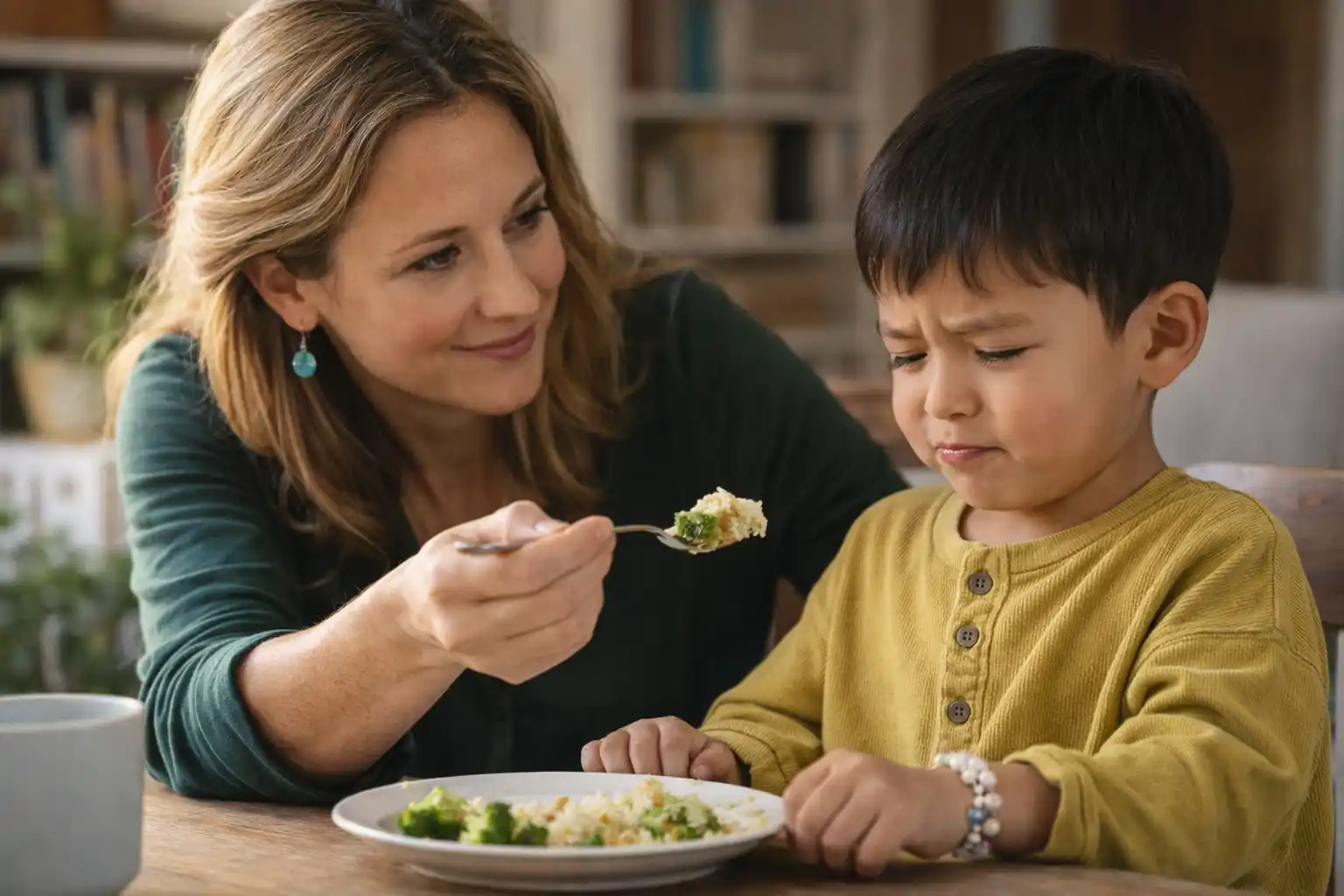
Adoptive parents face a familiar tension when it comes to education. You fought to bring your child home. You worked through the paperwork, the waiting, the emotional weight of the process. And then school starts, and the child you love begins struggling in a system that was never designed with their needs in mind. The grades slip. The phone calls from teachers pile up. The morning routine turns into a daily battle. And somewhere in the middle of it all, you wonder if there is a better way.
In this episode of Voices of Adoption, host Donna Pope interviews Kristina and Herbert Heagh-Avritt, the founders of Vibrant Family Education, about why education at home may be the missing piece for adoptive families. Kristina spent 27 years as a public school teacher before leaving the classroom to mentor parents directly, and Herbert brings an entrepreneurial lens shaped by his own experience rebuilding after a series of traumatic brain injuries. Together, they work with motivated parents who want more for their children than the traditional system can offer.
The Classroom Gap
The challenges adopted children face in school are well-documented. According to the American Academy of Pediatrics, adopted children are nearly twice as likely as their peers to have learning disabilities and learning differences. Data from the Institute for Family Studies shows that after adjusting for family income, parent education, and demographics, adopted students had four times the odds of repeating a grade compared to students living with married biological parents. These numbers do not reflect a failure of the children or their families. They reflect a system that was built for standardization, not individualization.
Kristina saw this firsthand. During her final years teaching in a school district's online program, she noticed something striking. The parents who engaged with her coaching, who asked questions and adjusted their approach, had children who thrived. Many of those kids barely needed to show up to class because their parents were handling the learning at home. The other half, where parents were less involved, required significantly more direct intervention. That pattern became the foundation for Vibrant Family Education.
Homeschooled Kids Are Weird?
This is the myth that gets the most laughs in the homeschool community, and Kristina and Herbert tackle it head-on. The assumption that homeschooled children lack social skills ignores the reality of how socialization actually works. Children who learn at home participate in sports leagues, theater programs, church groups, community service projects, and neighborhood activities. Many public schools allow homeschooled students to join after-school programs, including band and athletics. And because homeschooled children interact with people of all ages rather than being confined to a room of same-age peers, they often develop stronger communication skills. Research from the National Home Education Research Institute found that 87 percent of peer-reviewed studies on social, emotional, and psychological development show homeschool students performing better than those in conventional schools.
Herbert makes an additional point that resonates with adoptive families. Many of the most traumatic social experiences people carry into adulthood happened in school. The lunchroom dynamics, the bullying, the pressure to fit in. For adopted children already navigating questions of identity and belonging, removing that pressure can be a gift.
Parents Are Not Qualified?
The second myth strikes at a deeper insecurity. Many parents believe they are not smart enough or trained enough to teach their own children. Herbert flips this on its head. If you struggle with math, that is evidence the school system failed you, not evidence that you cannot teach. And the data backs him up. Research from NHERI shows that homeschool students score 15 to 25 percentile points above public school students on standardized achievement tests, regardless of their parents' level of formal education.
Parents teach their children the most fundamental skills of life: walking, talking, eating, and staying alive. That teaching does not stop at age five. Kristina emphasizes that parents do not need to know everything. They need to know how to facilitate. Online curricula, tutors, co-ops, and mentors like Kristina herself can fill in any gaps. The parent's role is not to be the expert in every subject but to be the guide who knows their child better than anyone else.
Not Enough Time?
This myth keeps busy parents, especially single parents and dual-income families, from even considering the option. But the time math tells a different story. Kristina explains that depending on the child's age, formal academics at home take between 45 minutes and two and a half hours per day. Compare that to the time spent driving to school, waiting in pickup lines, and managing homework battles in the evening. Herbert points out that parents who send their children to public school see them for roughly 3,000 hours by the time they graduate. Parents who educate at home get closer to 17,000 hours. That is 14,000 more hours with children you fought to bring into your family.
For adoptive families with children who need therapy, counseling, or specialized support, education at home offers another advantage. Instead of working around a rigid school schedule, families can build therapy appointments and support services directly into their day. The child gets help when they need it most, not when the school calendar allows it.
Building Attachment Through Education
For adoptive families, the connection between education at home and attachment is significant. The number one challenge adoptive parents face is building secure attachment with their children. Traditional school removes children from the home for the majority of their waking hours during the most formative years of their development. Research published in Paediatrics and Child Health found that waking hours spent with family drop by 21 percent between late childhood and middle adolescence. Education at home reverses that trend.
Kristina describes how one mother she works with chose to educate her son at home after he was identified on the autism spectrum. The mother did not want him to lose his love of learning or his confidence in a system that might not adapt to his needs. With coaching, the mother built a program tailored to her son's pace and interests, and the biggest adjustment she had to make was actually doing less. Slowing down. Playing more. That is the kind of flexibility that a traditional classroom simply cannot provide, and for adopted children processing trauma, that safety and predictability can be transformative.
Getting Started
Kristina and Herbert outline a straightforward process for families ready to explore this path:
Decide that you are committed to your child's educational well-being
Research your state's homeschool laws, as every state allows it but regulations vary
Identify your family values and what you want education to look like
Choose a format: online curriculum, book-based, unschooling, micro-schooling, or a hybrid
Set up a flexible schedule and be ready to adjust as you learn what works
Seek support through mentors, co-ops, or programs like Vibrant Family Education
Their introductory program runs eight weeks for $597 and covers curriculum selection, family values alignment, and schedule creation. After that, families can continue with full-year support. And they are clear that families do not have to wait for the school year to end. If your child is struggling now, you can begin the transition at any time.
A Movement, Not a Moment
Donna Pope calls this a movement, and she is right. In a world where AI handles calculation and search engines answer any factual question in seconds, the skills that matter most are the ones schools have never taught well: critical thinking, creativity, emotional regulation, communication, and the ability to navigate life independently. Education at home gives families the freedom to prioritize those skills while still covering the academics. According to NCES data, homeschooling participation rose from 3.7 percent to 5.2 percent between the 2018-19 and 2022-23 school years, and the trend continues to climb.
For adoptive parents who have already proven they will go to extraordinary lengths for their children, this is one more step in that same direction. You are already a motivated parent. You are already your child's best teacher. Now you just need the permission and the support to believe it.
Listen to the full episode of Voices of Adoption to hear Kristina and Herbert share their complete framework for helping families reimagine education.
#Adoption #AdoptiveParents #Homeschooling #EducationAtHome #VoicesOfAdoption #AdoptionPodcast #HomeschoolLife #SpecialNeedsEducation #TraumaInformed #AttachmentParenting #FosterCare #AdoptionSupport #HomeschoolCommunity #AlternativeEducation #VibrantFamilyEducation #ParentMentor #AdoptionAwareness #ChildCentered #HomeschoolMom #AdoptiveFamilies
Follow or Subscribe to Voices of Adoption on your favorite platform:-
Website: VoicesofAdoption.org | YouTube: @VoicesofAdoptionShow | Twitter/X: Voices_Adoption | Instagram: Voicesof_Adoption | Facebook: Voices of Adoption | TikTok: @Voices_of_Adoption | LinkedIn: @Voices-of-Adoption
Follow Nathan Gwilliam - LinkedIn: @nathangwilliam
Follow Donna Pope - LinkedIn: @donna-pope-41652ba
Follow Kristina Heagh-Avritt:
LinkedIn: @Kristina-Heagh-Avritt | YouTube: @Mrs.Heagh-Avritt | Facebook: Kristina.HeaghAvritt | Instagram: @KristinaHeaghAvritt
Follow Herbert Heagh-Avritt:
LinkedIn: @HeyHerb | Facebook: Herbert.HeaghAvritt | Instagram: @Herbert.HeaghAvritt
Follow Vibrant Family Education:
Website: VibrantFamilyEducation.com | Email: vibrantfamilyeducation@gmail.com