Korean Adoptee Honors Both Her Families Through Her Work as a Trauma Informed Therapist
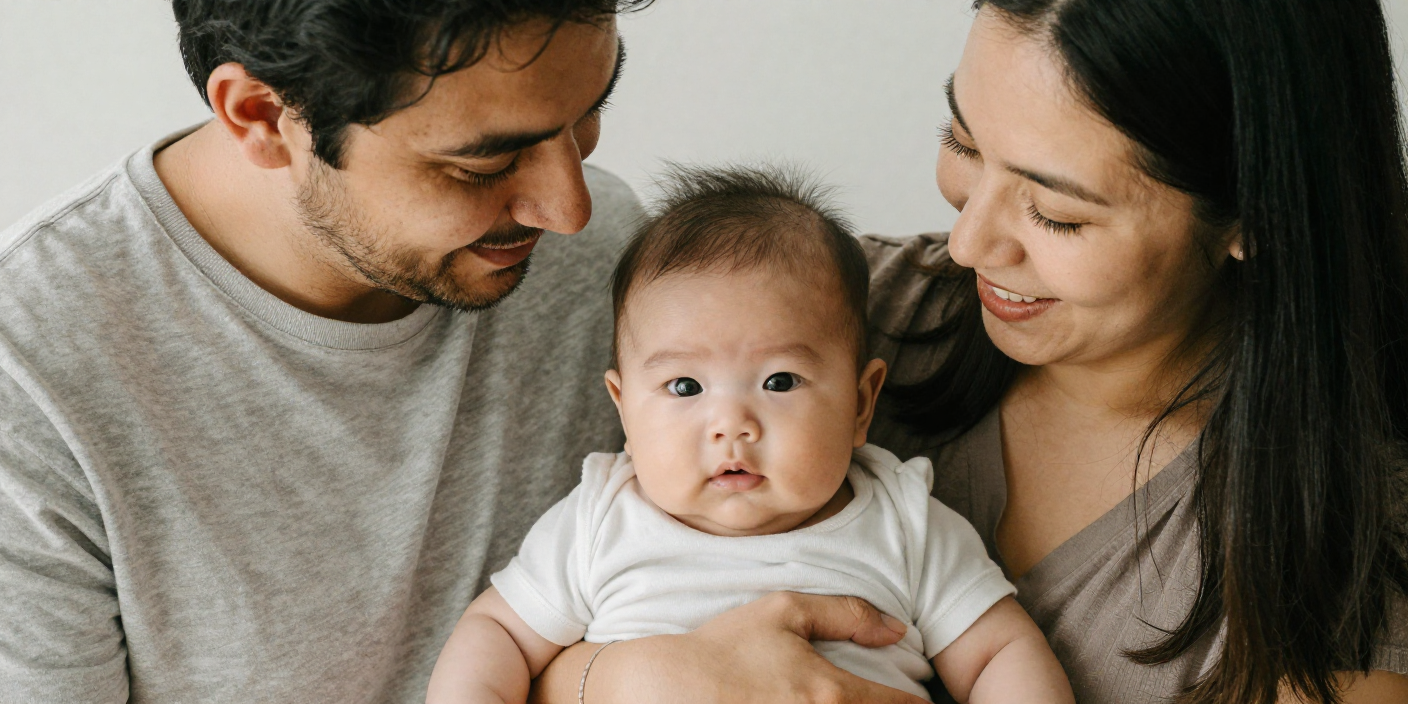
Rachel Forbes brings a deeply personal perspective to the field of trauma-informed therapy. As a Korean American adoptee and licensed clinical social worker, she understands the complexities of adoption from the inside out. Adopted from South Korea at three months old by white Jewish parents, Rachel's journey through depression, anxiety, substance use, and suicidal thoughts ultimately led her to discover the healing power of adoption-competent therapy and dedicate her career to helping others navigate similar paths.
In this episode of Voices of Adoption, host Donna Pope interviews Rachel about her personal adoption story, her therapeutic approach using Internal Family Systems (IFS), and her guidance for every member of the adoption constellation. Rachel shares how her emotionally present adoptive father created space for her grief from a young age, and how finding a therapist who truly understood adoption likely saved her life. Her story offers both validation and hope for adoptees, adoptive families, and birth parents seeking understanding.
Trauma Begins Before Memory
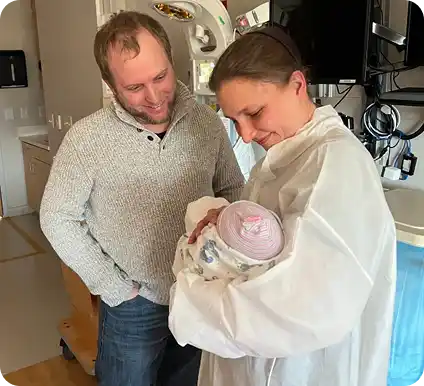
Rachel emphasizes that even infants adopted at birth carry the impact of their earliest experiences. What we now understand about epigenetics and early development reveals that stress hormones in utero, the absence of skin-to-skin contact after birth, and the severing of attachment from birth mother all leave imprints on a baby's nervous system. These experiences get stored in the body even before verbal memory develops.
This understanding challenges the outdated belief that adopting an infant provides a "clean slate." Research published by Boston Post Adoption Resources confirms that 65% of doctoral-level therapists did not have any courses about adoption in their graduate school training, leaving many well-meaning professionals unequipped to recognize how early separation impacts development. Rachel's own therapeutic journey included years of treatment that addressed surface-level symptoms without ever touching the root cause.
The behaviors that emerge later in life, including anxiety, depression, people-pleasing, substance use, and relationship difficulties, often trace back to these preverbal experiences. Rachel describes how her struggles presented as behavioral issues throughout adolescence, and traditional therapy focused on changing thoughts and behaviors without addressing the deeper attachment wounds beneath them.
Love and Loss Coexist Together
One of Rachel's central messages addresses a common misconception among adoptive families. She explains that an adopted child's grief actually has nothing to do with their adoptive parents' love, and equally important, adoptive parents do not have the power to heal that grief for their children. These two realities exist separately, not in conflict with one another.
This can be painful for adoptive parents who would give anything to take away their child's suffering. Rachel acknowledges that bearing witness to a child's pain while feeling powerless represents one of the greatest challenges of parenthood. Data from American Adoptions shows that a higher proportion of adoptees (17.7%) attend therapy than non-adopted individuals (8.7%), indicating that many adoptees recognize their need for support in processing these complex emotions.
Rachel introduces a simple but meaningful reframe for adoptive families. Instead of saying "I'm grateful for my family but I still feel sad," she encourages changing "but" to "and." Grateful and grieving can coexist. This shift in language welcomes both experiences without forcing one to overshadow the other.
Finding Adoption Competent Support
Rachel's turning point came when she finally connected with a therapist who understood adoption. She describes this experience as transformational and credits it with likely saving her life. The difference between general therapy and adoption-competent therapy lies in the practitioner's understanding of the unique layers adoptees carry.
Research from American Adoptions confirms that adoptees who work with counselors that emphasize adoption have significantly higher levels of satisfaction than those whose therapists give it no emphasis. An adoption-competent therapist understands implicit memory, allows for multiple attachments, recognizes that behavioral challenges often stem from survival strategies rather than defiance, and never expects gratitude as a baseline emotion.
Rachel uses Internal Family Systems (IFS) therapy in her practice, which addresses different parts of the self without agenda or judgment. This approach allows adoptees to honor the part of them that grieves while also appreciating the part that loves their adoptive family. She explains that the longing adoptees carry for reconnection with birth family often comes from a younger part of themselves, which is why reunion can feel strange even when deeply desired.
Signs that a therapist may not be adoption-competent include:
Accepting "I was adopted" without asking for more details about the story
Not understanding implicit or preverbal memory
Speaking negatively about birth family or country of origin
Not allowing for multiple attachments across birth and adoptive families
Expecting gratitude for having been adopted
Addressing behavioral concerns with punitive measures rather than curiosity
Guidance for Adoptive Families
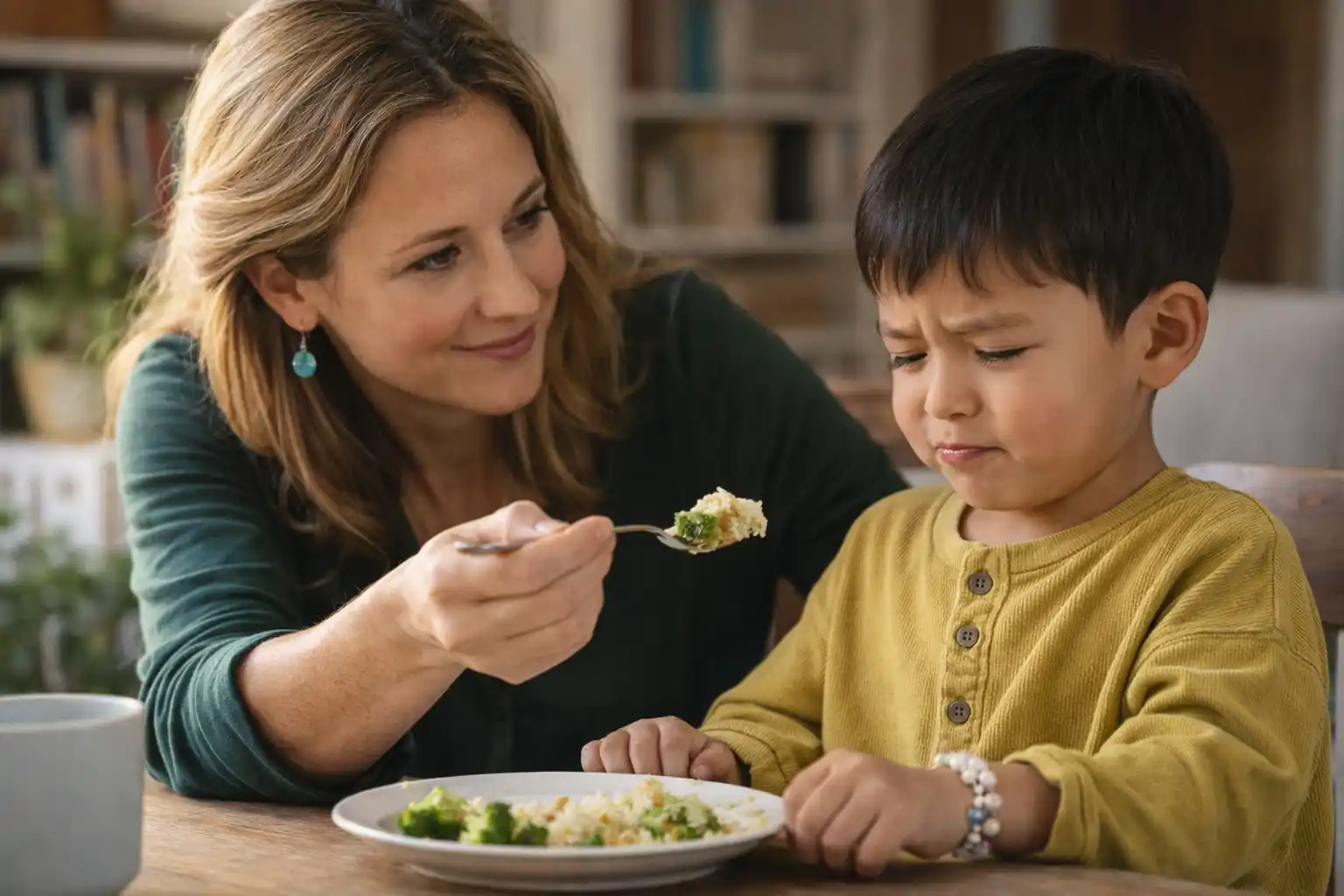
Rachel offers specific advice for adoptive parents watching their children struggle. First, she encourages parents to explore their own fears, insecurities, and grief in therapy. The version of family life they envisioned when they adopted may look different from reality, and that loss deserves acknowledgment too. When parents haven't processed their own emotions, they risk reaching toward their children from a place of fear rather than love.
Data compiled by Gitnux shows that 88% of transracial adoptive parents report being satisfied with their decision to adopt transracially, and 90% report discussing adoption openly with their children. These statistics reflect the positive outcomes possible when families approach adoption with awareness and intentionality. Rachel notes that adoptive parenting requires extra work, and parents deserve support spaces of their own.
The most healing thing a parent can offer, according to Rachel, is simply being with their child's pain without trying to fix it. She recalls her adoptive father's ability to acknowledge her sadness without agenda, simply sitting alongside her grief and wondering aloud about her birth mother too. This empathic witnessing creates safety for emotions that have been stored without an outlet.
A Message for Birth Parents
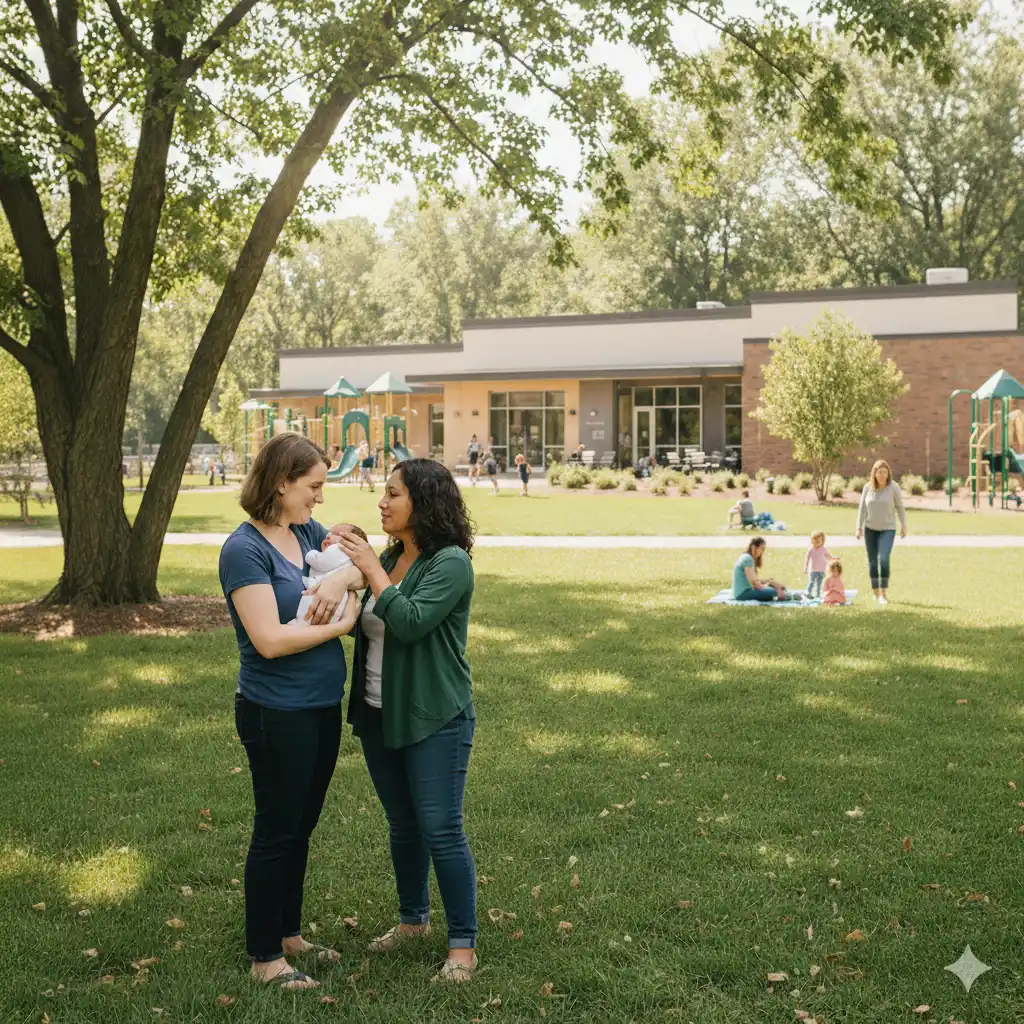
Rachel addresses birth parents directly, acknowledging the courage and love that went into their decision, particularly when that decision was truly autonomous. She recognizes that not all placements are freely chosen, and sends compassion to those whose experiences involved coercion or deception.
For birth parents worried about the trauma their child may experience, Rachel shares what she has witnessed in her clinical work. When adoptees do the deep work of processing their experiences, they often arrive at a place of compassion for their birth parents. Through practices like womb regression, adoptees frequently discover understanding for the humanity of the person who carried them, recognizing that the decision to place was not about causing harm.
The Evan B. Donaldson Adoption Institute found that over 100,000 South Koreans have been adopted to the United States since 1958, making Korean adoptees the largest group of transracial adoptees in the country. Rachel's voice represents one of many now speaking openly about their experiences and offering guidance for those walking similar paths.
Healing Does Not Mean Cured
Rachel closes with an important clarification about what healing actually means. It does not mean that triggers disappear or that painful emotions never resurface. Instead, healing means building capacity to bring more and more self-compassion to those moments each time they arise. The goal is not to eliminate the parts of ourselves that hurt but to learn how to be with them lovingly.
She emphasizes that adoptees are not alone. The adoptee community has grown significantly through social media and online groups, offering connection for those who grew up feeling isolated in their experiences. Rachel maintains a list of adoption resources on her website, including Instagram handles, podcasts, books, and support groups run by adoptees for adoptees.
For those seeking adoption-competent therapists, Rachel recommends the directory at growbeyondwords.com, which lists therapists who are themselves adoptees. Psychology Today and other search engines also allow filtering for adoption specialization. The key is finding someone who understands the unique layers of the adoptee experience and can hold space for all parts without judgment.
Rachel's message to the adoption community emphasizes that all voices deserve honoring. Adoptive parents, adoptees, and birth parents each carry their own complexity, and no one needs to choose sides or weigh one experience against another. When we bring curiosity and compassion to every part of the constellation, genuine healing becomes possible.
Looking for support on your adoption journey? Visit VoicesofAdoption.org for resources, community, and real stories from every corner of the adoption constellation. Subscribe to Voices of Adoption for expert insights on adoption wellness.
#VoicesOfAdoption #RachelForbes #KoreanAdoptee #TransracialAdoption #AdopteeHealing #AdoptionTherapy #IFSTherapy #AdoptionCompetent #AdoptiveParenting #BirthMomSupport #AdoptionTrauma #AdoptionCommunity #TraumaInformedCare #AdopteeVoices #HealingJourney
Follow or Subscribe to Voices of Adoption on your favorite platform:
Website: VoicesofAdoption.org | YouTube: @VoicesofAdoptionShow | Twitter/X: Voices_Adoption | Instagram: Voicesof_Adoption | Facebook: Voices of Adoption | TikTok: @Voices_of_Adoption | LinkedIn: @Voices-of-Adoption
Follow Nathan Gwilliam:
LinkedIn: @nathangwilliam
Follow Donna Pope:
LinkedIn: @donna-pope-41652ba
Website: ForbesPsychoTherapy.com | LinkedIn: @RachelForbesLCSW | Instagram: @RachelForbes.LCSW | Facebook: RachelForbesLCSW | Email: Rachel@ForbesPsychoTherapy.com | Resources for Adoptees, Adoptive Families, & Anyone in the Adoption Community: docs.google.com