Adoptee Therapist Explains the Attachment and Addiction Connection and Path to Healing

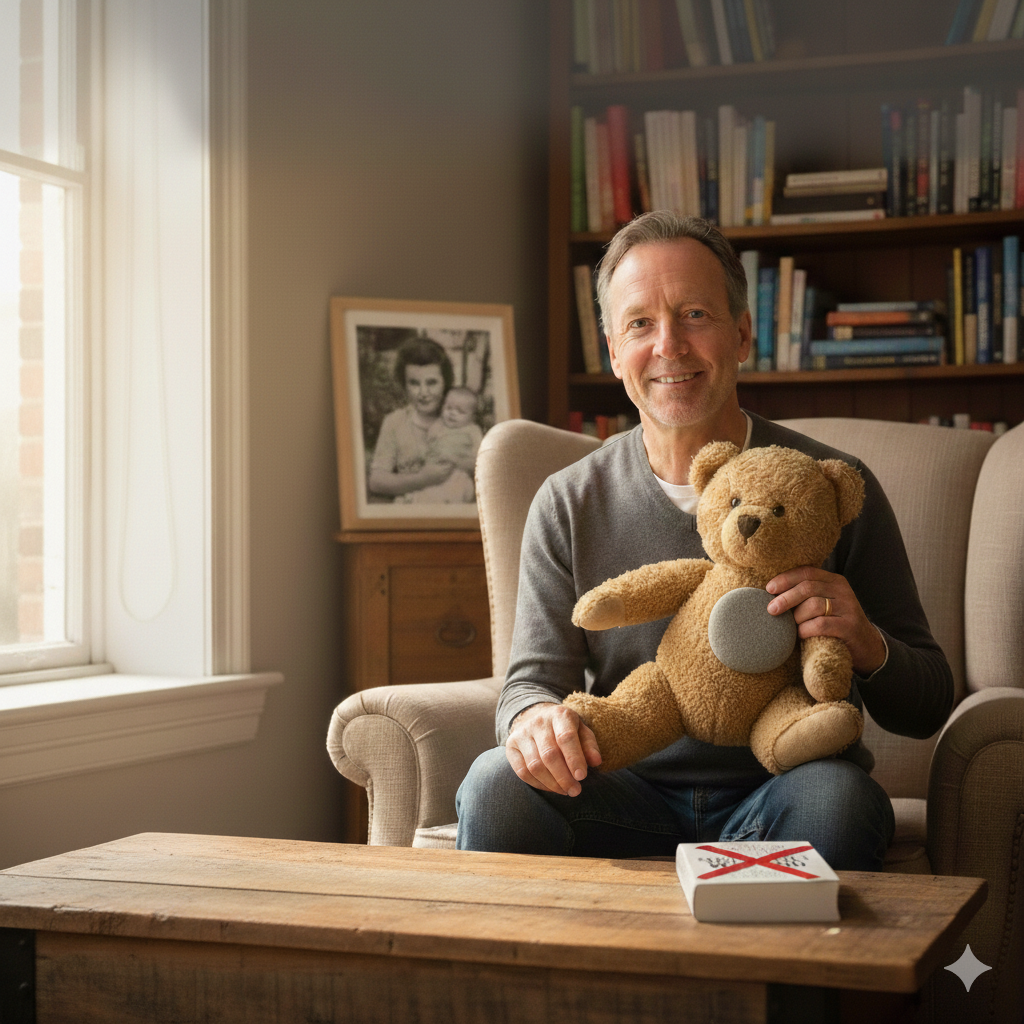
Dr. Brett Furst brings a unique perspective to the intersection of adoption and mental health. As both an adoptee and a licensed clinical psychologist, he specializes in treating young adults and adults struggling with substance abuse and personality disorders. His dual experience as someone who has lived the adoptee journey while also helping others navigate similar challenges provides valuable insights for families across the adoption constellation.
In this episode of Voices of Adoption, host Donna Pope interviews Dr. Furst about his personal adoption story, his clinical observations working with adoptees in treatment settings, and practical advice for adoptive families seeking to support healthy attachment. As director of specialty services at Pace Recovery Center and clinical director at Rising Rose Recovery, Dr. Furst has spent nearly a decade developing specialized programming that addresses the unique needs of adoptees in recovery settings.
Understanding Attachment as Need
Attachment represents the way humans connect to people and sometimes things around them. Dr. Furst emphasizes that attachment functions as a basic biological need, ranking alongside food, water, and air in its necessity for human development. Children do not physically grow properly without adequate attachment, and this need never disappears throughout the lifespan. Adults simply become more complicated in expressing attachment needs, but those needs remain just as present.
The challenge with attachment lies in its inherent vulnerability. The closer someone gets to another person, the more potential that person has to cause hurt. This creates a fundamental tension where humans simultaneously crave connection while fearing the risks that come with it. Attachment styles develop as defense mechanisms attempting to solve this problem, and they remain fluid throughout life rather than being permanently fixed categories.
Research published in Current Opinion in Psychology confirms that young children's attachment systems are capable of reorganizing and flexibly adapting to new caregivers after earlier relationships are disrupted. This finding from attachment studies offers significant hope, suggesting that adoption creates opportunities for healing and new secure bonds rather than permanent damage.
Adoption Creates Attachment Breaks
Dr. Furst states directly that adoption constitutes an attachment trauma regardless of circumstances. This does not mean adoption is negative, but it does mean the attachment break requires attention and care. Every adoption involves leaving one parent or set of parents and moving to another, which necessarily creates a disruption in attachment that can be addressed and healed.
The positive news is that data compiled by LifeLong Adoptions shows 85% of adopted children are in excellent or very good health and receive strong parental support. Outcomes for many adoptees match or exceed those of their non-adopted peers when families understand and address attachment needs appropriately. The key lies in acknowledging that adoption adds complexity rather than pretending the transition has no impact.
Dr. Furst uses the term "aggressively neutral" to describe his own relationship with his biological family, explaining that adoptees do not need to feel pressure toward any particular relationship with birth families. Some adoptees want close connections with biological relatives while others feel satisfied with their adoptive family relationships. Both positions are valid, and the adoptee should lead that decision rather than feeling expectations from others.
The Addiction Connection Revealed
Working at treatment centers, Dr. Furst noticed that adoptees presented with similar issues as other clients but responded differently to standard interventions. They took longer to recover and showed more reactivity in general. This observation led him to investigate what made adoptees different in treatment settings and ultimately to develop specialized programming addressing the adoption-addiction intersection.
Research supports his clinical observations, with a PLOS One study using National Epidemiologic Survey data showing that adoptees have a 1.87-fold increase in the odds of any lifetime substance use disorder compared to non-adoptees. Dr. Furst notes that adoptees comprise an estimated 7 to 15 percent of the treatment population, representing a significant portion of those seeking help for substance issues.
Addiction functions as a disease of distraction and escape. When someone cannot navigate their internal reality or get to the other side of discomfort, substances offer avoidance rather than resolution. For adoptees, unaddressed attachment wounds often contribute to that internal discomfort, making the connection between adoption and addiction understandable rather than inevitable.
Treatment Approaches That Work
Dr. Furst developed programming based on several core principles that differ from traditional treatment approaches. His staff at all levels receive direct training on understanding adoption and attachment, creating a comprehensive environment that addresses these issues around the clock rather than just during therapy sessions.
Key elements of the specialized adoption programming include:
Accepting that treatment staff will become attachment figures for clients and managing this reality ethically
Assigning two therapists to each adoptee client, with the secondary chosen to complement and accelerate attachment work
Acknowledging that progress will be nonlinear with frequent steps backward as part of the healing process
Working extensively with parents on their own attachment patterns and expectations
Building trust gradually before integrating family therapy sessions
The approach recognizes that parents can significantly impact treatment outcomes. Dr. Furst notes that parents can undo 90 days of clinical work in a five minute phone call if they haven't addressed their own attachment issues. This reality makes family work essential rather than optional in adoptee treatment.
Advice for Adoptive Families
Dr. Furst offers specific guidance for adoptive parents navigating relationships with their children. First, he recommends expressing feelings in "we" terms rather than placing expectations on children. Saying "Mom and Dad feel this way about your birth family" differs significantly from "We want you to feel this way" or "We want you to have this type of relationship."
The more significant recommendation involves adoptive parents addressing their own attachment patterns. Dr. Furst identifies this as the number one issue he observes working with young adults and their parents. The adoption process itself is attachment-laden for parents, who often came to adoption after experiences like infertility that carry their own attachment impacts. These parental attachment issues frequently get pushed aside while focusing on the child, then compound as children grow older.
Data from American Adoptions indicates that a higher proportion of adoptees (17.7%) attend therapy than non-adopted individuals (8.7%), suggesting adoptees recognize their need for support. Finding adoption-competent therapists who understand the nuances of adoption experience can make significant differences in treatment outcomes.
Finding Support and Resources
Dr. Furst recommends two primary directories for finding adoption-competent therapists. Grow Beyond Words maintains a directory of therapists who are themselves adoptees, providing lived experience alongside clinical training. Unraveling Adoption offers another directory including therapists and various other professionals working in the adoption space, many of whom are adoptees or adoptive parents themselves.
The encouraging message throughout Dr. Furst's interview emphasizes that attachment wounds are learned and can therefore be unlearned. Nobody is born not wanting to attach, and secure attachment can be developed at any stage of life with appropriate support. Even people who struggle with conditions affecting social connection still desire attachment, they simply express that need differently.
The National Council for Adoption confirms that the vast majority of all adoptions are successful according to unanimous agreement in scientific literature, and most adoptive parents report satisfaction with their adoption experiences. The existence of attachment challenges does not negate these positive outcomes but rather highlights opportunities for families to grow stronger through intentional work.
Moving Forward With Understanding
Dr. Furst closes with a reframing of the common saying "blood is thicker than water." The original saying actually reads "the blood of the chosen is thicker than the water of the womb," meaning the people we choose as family often become closer than biological relatives. This applies to adoption beautifully, where chosen families can develop bonds as strong as any biological connection.
The ability to choose family members, including adoptive family, biological family, and friends who become like siblings, strengthens relationships rather than diminishing them. Dr. Furst measures his own attachment health by examining his relationships with his wife, daughter, and chosen family members rather than focusing solely on his biological or adoptive family of origin.
His message to the adoption community emphasizes grace and openness. Nobody teaches these attachment concepts in standard parenting preparation, and families should not feel shame for encountering difficulties. The problems themselves matter less than what families do about them, and solutions exist for every attachment challenge when families remain willing to engage the process.
#AdopteeVoices #AdoptionTrauma #AdoptionAndAddiction #AttachmentTherapy #AdopteeHealing #AdoptionAwareness #AddictionRecovery #AdoptionCommunity #AdultAdoptees #TherapyForAdoptees #AdoptionSupport #MentalHealthMatters #AdopteeJourney #HealingForAdoptees #VoicesOfAdoption
Looking for support on your adoption journey? Visit VoicesofAdoption.org for support, resources, and community from every corner of the adoption constellation. Subscribe to the Voices of Adoption show for real stories and resources that help families across the adoption constellation find support and for expert insights on adoption wellness.
Follow or Subscribe to Voices of Adoption on your favorite platform:
Website: VoicesofAdoption.org | YouTube: @VoicesofAdoptionShow | Twitter/X: Voices_Adoption | Instagram: Voicesof_Adoption | Facebook: Voices of Adoption | TikTok: @Voices_of_Adoption | LinkedIn: @Voices-of-Adoption
Follow Nathan Gwilliam:
LinkedIn: @nathangwilliam
Follow Donna Pope:
LinkedIn: @donna-pope-41652ba
Follow Dr. Brett Furst:
Website: FurstTherapy.com | LinkedIn: @BrettFurst | Email: FurstTherapy@gmail.com