Open Adoption Pioneer Shares 30 Years of Lessons That Changed Her Family Forever
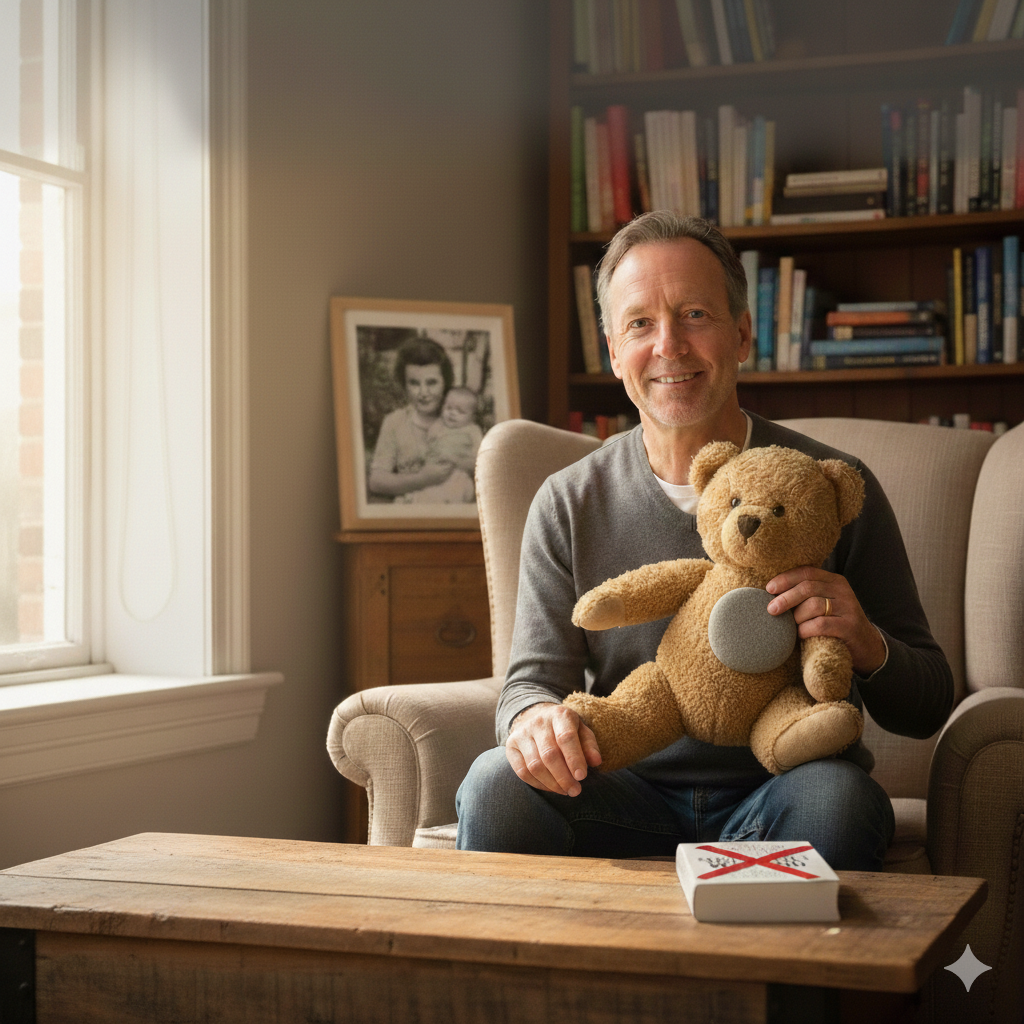
Linda Sexton never planned to become an open adoption pioneer. When she and her husband began their adoption journey over 30 years ago, they assumed closed adoption was their only option. Rejected by traditional agencies for being "too old" at 36 and 42, they discovered an agency in San Antonio, Texas experimenting with something called open adoption. That unexpected detour transformed their family and gave their children gifts that keep growing decades later. As an adoptive mother of two now-adult children, Linda brings three decades of experience navigating relationships with birth families, addressing common fears, and watching her children develop strong identities through connections with everyone who loves them.
In this episode of the Voices of Adoption podcast, with host Donna Pope, Linda reveals practical wisdom for families considering open adoption and those already building these relationships. What makes Linda's perspective particularly valuable is her willingness to share both the fears she carried into open adoption and the discoveries that replaced those fears over time. Her story demonstrates that open adoption benefits everyone in the adoption constellation, especially the children at its center.
Rejection Led to Discovery
Linda and her husband David applied to several traditional adoption agencies in the early 1990s, expecting approval based on their stable marriage, professional careers, and home ownership. Instead, they received rejection after rejection. The reason given was their age, with agencies considering 36 and 42 too old for parenting. Someone mentioned Methodist Mission Home in San Antonio had started offering open adoption and might accept their application. The three-hour drive from Houston led to acceptance and an introduction to a concept they knew nothing about.
The agency could explain the process and help plan the first six months, but beyond that, families were on their own to figure out how open adoption worked long-term. According to the Adoption Network, approximately 135,000 children are adopted in the United States each year, with open adoption becoming increasingly common as research demonstrates its benefits for all members of the adoption triad.
Initial Beliefs Changed Quickly
Linda initially believed open adoption existed primarily for the benefit of birth parents' benefit. The idea of a birth mother placing a child without ever knowing how that child was doing seemed inhumane. Staying connected throughout the child's life made logical sense from that perspective. She also recognized the benefits for adoptive parents in knowing more about the biological family's medical history and background. But she didn't fully understand until years later that the person who benefits most from open adoption is always the child.
This realization came through watching her children develop their identities with access to biological family connections. Linda admits she was naive bringing her first child home from the hospital, thinking the baby was a "clean slate" and that openness and transparency would prevent any adoption-related issues. Experience taught her that adoption involves complexity regardless of openness, but that connections with birth families provide children with essential pieces of their identity puzzle.
The Wedding That Changed Everything
The defining moment in Linda's open adoption journey came when her son Finley was four years old. Finley's birth mother Jenna invited him to be a flower child in her wedding. Linda and David debated whether attending would be good for everyone involved before deciding to participate. During the ceremony, with the wedding party at the altar, including little Finley, Linda sat in the front pew so Finley could see her.
When Finley's lips started quivering and tears threatened, the child jumped off the altar and ran straight into Linda's lap. That moment erased any remaining fear about competition between mothers. Linda realized there was room in Finley's heart for both her and Jenna. Both belonged in this child's life, and the love wasn't divided but multiplied. From that point forward, Linda never questioned whether open adoption could work.
Children Never Get Confused
One of the most common fears prospective adoptive parents express involves confusion. Will children become confused about who their "real" parents are when birth parents remain in their lives? Linda's experience provides a clear answer. There was absolutely no confusion in her household. Her children always understood that their birth parents were special people in their lives with specific roles. Both children called their birth parents by first names, which created natural distinction without requiring explanation.
Research from the Evan B. Donaldson Adoption Institute supports Linda's experience, finding that children in open adoptions demonstrate secure attachments and clear understanding of their family structures when adults approach these relationships with consistency and respect. The children knew Jenna and Michael were Finley's birth parents, and Rachel and Ricky were Sophie's birth parents. They understood what that meant from the very beginning because their parents talked about it openly and treated these relationships as normal parts of family life.
Fear of Competition Fades
Linda acknowledges that fears about children preferring birth parents over adoptive parents are common and understandable. She felt these fears herself early in the journey. The worry that a child might love their birth mom better than their adoptive mom feels threatening to parents who have invested everything in raising these children. Her children love their birth parents, and Linda expresses gratitude for that love. But her relationship with her children remains strong because she raised them.
They grew up together. Daily life, shared experiences, and consistent presence create bonds that complement rather than compete with birth family connections. Linda now encourages her adult children to maintain contact with their birth families. She asks whether they've called Jenna or Rachel lately, gently prodding them to nurture these relationships. She wants these connections to remain strong because she knows her children will need them, especially as she and David age.
Biological Siblings Matter Too
One unexpected benefit of open adoption involves biological sibling relationships. Sophie now has nine half-siblings between her birth mother Rachel and birth father Ricky. Finley has four siblings, including a full biological brother born when his birth parents later married each other. Sophie spends Thanksgiving with her birth father's younger children, serving as their adoring big sister. These relationships developed naturally through maintained connections with birth families.
Finley connects with his full brother despite their 24-year age difference, seeing birth family members at least once a year. These sibling connections provide something adoptees in closed adoptions often describe missing: the experience of mirroring. Seeing physical resemblance, recognizing shared traits, and understanding genetic inheritance contribute to identity development in ways that adoptive family love alone cannot provide.
Seek Connections Actively
Linda offers advice that many adoptive parents might find counterintuitive. When birth parents aren't available or interested in maintaining relationships, she recommends that adoptive parents actively seek out other birth family members who might want connection.
This could mean building relationships with:
Birth grandparents who may be grieving the placement
Aunts and uncles interested in knowing the child
Biological siblings from previous relationships
Extended family members who can share heritage and history
The child will want and need these connections someday, even if they don't express that desire during childhood. Adoptive parents who build these bridges early create options their children will appreciate later. Someone in the birth family almost always wants connection, and finding that person benefits everyone.
Mutual Respect Creates Magic
Linda identifies mutual respect between adoptive parents and birth parents as the essential ingredient for successful open adoption. When both parties love and respect each other and demonstrate that respect in front of the children, the arrangement works beautifully. Birth parents, in Linda's experience, matured into fine adults over the years. They never crossed boundaries or became unreliable. But Linda acknowledges this requires flexibility and understanding.
Birth parents go through tremendous grief and life challenges. Their reliability may fluctuate as they navigate their own healing. According to research published in the Journal of Family Psychology, open adoption arrangements with higher levels of communication and contact correlate with better outcomes for adoptees and greater satisfaction for all parties involved. The magic Linda describes happens when everyone prioritizes the child's needs while maintaining compassion for each other's experiences. This requires ongoing effort, honest communication, and willingness to adapt as circumstances change.
The North Star Principle
Linda describes the child as the "North Star" of any adoption triad. Every decision should ultimately serve the child's best interests, wants, and needs. This principle guides her advice to all members of the adoption constellation. For adoptive parents, this means staying open to children's questions and curiosity about birth families. It means offering help with searches even when that feels threatening.
It means providing all available information rather than withholding details out of fear. For birth parents, this means staying connected even when grief makes contact painful. Writing letters, sending pictures, and sharing information about family history gives children pieces they'll treasure. Physical visits matter when possible, but any form of connection provides value.
Relationships Heal Everything
Linda's conversation reinforced something adoption therapists consistently emphasize: relationships heal. When connections between family members remain strong and respectful, everyone benefits. When relationships break or become adversarial, damage follows.
This applies to relationships between adoptive parents and children, between adoptees and birth families, and between adoptive and birth parents. Each connection either supports healing or creates additional wounds depending on how it's maintained.
Professional support helps when relationships become strained. Adoption-competent therapists, support groups, and community resources provide tools for navigating difficulties that families shouldn't attempt alone. The resources available today far exceed what existed when Linda started her journey 30 years ago.
Legacy of Giving Back
Linda wrote her book about open adoption for one reason: helping families who come after her. She learned so much through trial and error that she wants to spare others unnecessary struggle. Her commitment includes donating 100% of author profits to organizations providing support and therapy for birth parents and adoptees. Her website offers a free resource for those signing up for her newsletter: the 10 things she wishes she knew about open adoption at the start of her journey.
This practical guide distills three decades of experience into actionable insights for new adoptive families. Linda's willingness to share her family's story publicly demonstrates confidence in open adoption's benefits. She speaks to waiting adoptive families and new adoptive parents, answering questions and addressing fears she once shared. The positive response she receives confirms that families need this guidance.
Start Building Connections Today
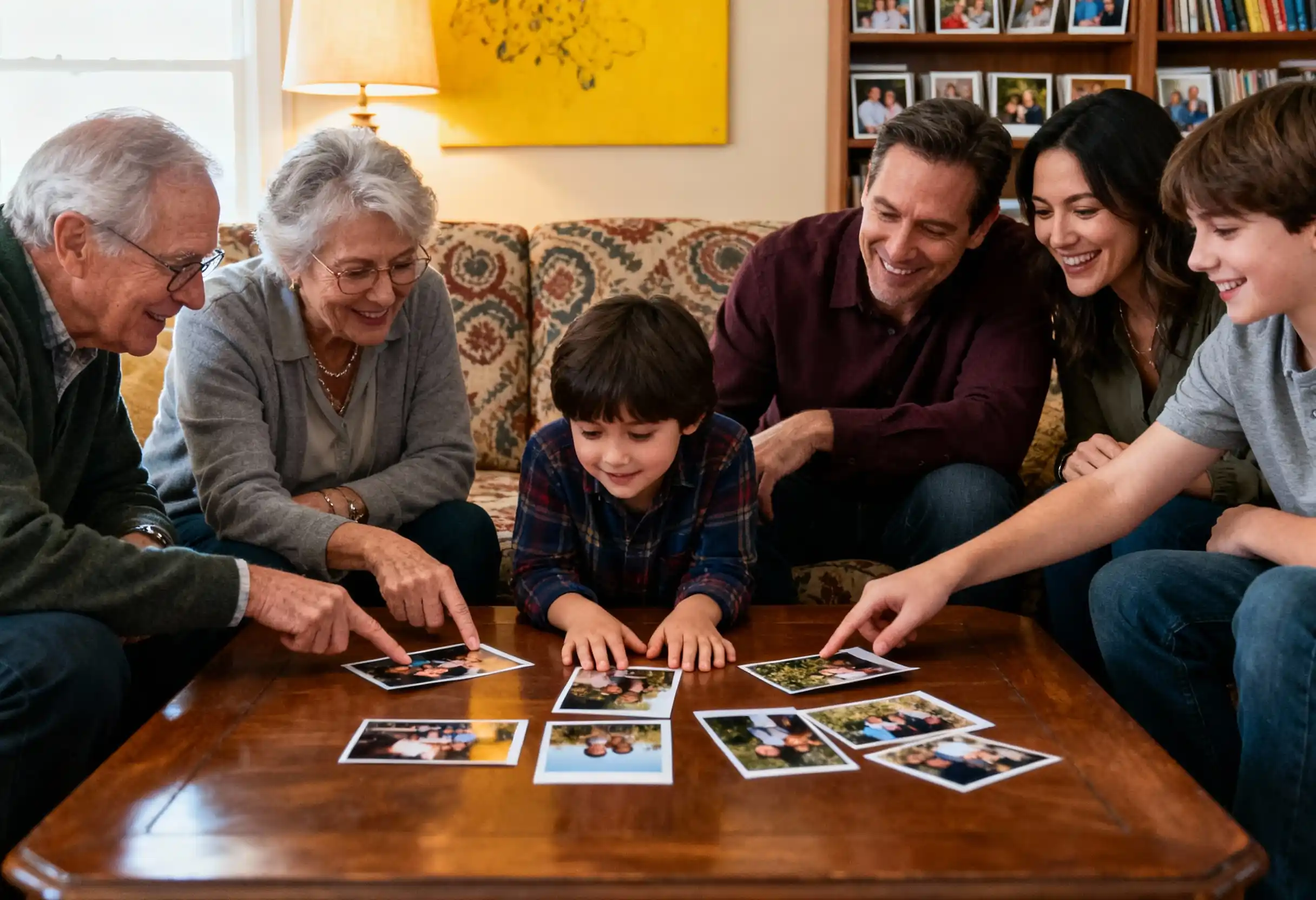
Open adoption works when families approach it with flexibility, respect, and a child-centered focus. Linda Sexton's 30-year journey proves that the fears adoptive parents carry into open adoption can transform into gratitude for expanded family connections. The children in open adoptions gain access to biological heritage, physical mirroring, and additional people who love them. Birth parents receive reassurance and ongoing connection. Adoptive parents discover that love multiplies rather than divides when everyone prioritizes the child's needs.
Listen to Linda's complete story on the Voices of Adoption podcast for additional insights about building successful open adoption relationships. Whether you're considering adoption, navigating an existing open adoption, or supporting someone in the adoption constellation, her experience offers guidance for every stage of the journey.
#OpenAdoption #AdoptiveParenting #AdoptionJourney #VoicesOfAdoption #AdoptionCommunity #BirthFamilyConnection #OpenAdoptionWorks #AdoptionAdvice #AdoptiveFamily #AdoptionLove #AdoptionStory #AdoptionSupport #AdoptionAwareness #AdoptionPodcast #ModernAdoption
Follow or Subscribe to Voices of Adoption on your favorite platform:
Website: VoicesOfAdoption.org | YouTube: @VoicesofAdoptionShow | Twitter/X: voices_adoption | Instagram: voicesof_adoption | Facebook: Voices of Adoption | TikTok: @voices_of_adoption | LinkedIn: voices-of-adoption
Follow Nathan Gwilliam on LinkedIn: @nathangwilliam
Follow Donna Pope on LinkedIn: @donna-pope-41652ba
Follow Linda R. Sexton: AUTHOR of award-winning THE BRANCHES WE CHERISH: AN OPEN ADOPTION MEMOIR :- LindaRSexton.com | Bookshop | Amazon | LinkedIn | Instagram | X(Twitter) | Facebook
“If you loved The Branches We Cherish, a quick review on Amazon or Goodreads makes a huge difference!”
Subscribe to Voices of Adoption to access more authentic stories from adoptees, birth parents, and adoptive families building stronger connections through understanding and support.