Birth Parent Finds Her Son's Family Through a Facebook Prayer Group

Sarah Neff did not go looking for an adoption agency. She went looking for prayer. Three years ago, she was living in California, far from her family in Pennsylvania, working two jobs and about to lose her housing, when an unexpected pregnancy changed the shape of her life. From the start, she knew she wanted to choose life, and what she could not find was a single story from someone who had stood exactly where she was standing as a birth parent considering adoption.
In this episode of Voices of Adoption, host Donna Pope interviews Sarah about the open adoption she chose for her son. Sarah shares how she found his adoptive family through an online prayer group, how an unspoken prayer for a bilingual child was answered in a way only she could have recognized, and how she came to understand adoption as a relationship rather than a transaction. Her story holds honesty and hope for adoptees, adoptive families, and birth parents alike.
An Unexpected Pregnancy and a Hard Choice
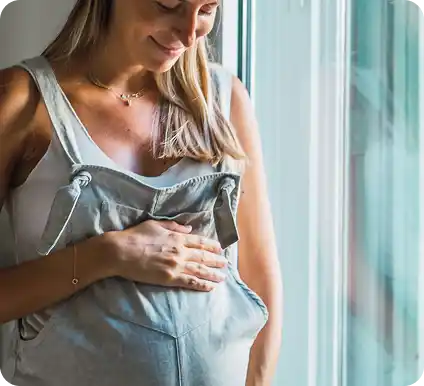
When Sarah took a positive pregnancy test in California, she was already in transition, moving between homes, working two jobs, and praying about what to do. She knew she wanted to parent at first, then began to wonder whether adoption might be the more loving choice for her son. She is far from alone in facing a pregnancy she did not plan for. Roughly 5.4 million pregnancies occurred in the United States in 2020, as mentioned by the Guttmacher Institute, and countless parents reach a crossroads much like hers.
What made Sarah's search so lonely was the silence around the birth parent experience. She looked on Google and across social media for women who had walked this road, and she came up empty. That absence is exactly why she agreed to tell her story now, so the next person weighing this decision can hear from someone who has lived it.
A Family Found Through a Prayer Group
Sarah belonged to a women's Facebook group where members prayed for one another and traded small encouragements. One day, she posted a simple prayer request, asking for support as she weighed single parenthood against adoption. A week later, she opened a message from a woman she had never met, who said she was praying for Sarah and, with no pressure at all, mentioned that she and her husband had just been approved to adopt and shared their family profile.
Something about that message stayed with Sarah. She reached out, the two families began to talk, and over the better part of a year, they grew close. She later signed with the agency the family used, telling them plainly that she wanted to be connected with this particular couple. By the time she made her decision, the relationship already felt like family.
Discovering Open Adoption
Sarah had always imagined that placing her son meant she would never see him again. The adoptive parents were the ones who introduced another possibility. They asked whether she would be open to an open adoption, explaining that they wanted her to remain part of her son's life through letters, photos, visits, and ongoing contact. The idea matched her hopes far more than the closed-adoption ending she had absorbed from movies. Today, the vast majority of domestic infant adoptions include some degree of openness or ongoing contact (National Council for Adoption) between birth parents, children, and adoptive families.
Sarah also draws a line between two ways of approaching adoption. A transactional approach can feel like a contract, with papers, attorneys, and money at the center and a child treated almost like a commodity. A relational approach holds the whole picture, the birth parents, the adoptive parents, and the child, and honors the emotions each of them carries. For Sarah, that relational spirit is the heart of a healthy placement.
An Answered Prayer for a Bilingual Son
Long before she met the adoptive parents, Sarah carried a private wish she had never spoken to anyone. She is Hispanic, and she hoped her child would grow up bilingual, connected to his heritage and to the opportunities that can come with it. She kept that hope tucked away, between herself and God.
Then, on a video call, she asked the adoptive mother what she did for work. The answer was that she teaches high school Spanish and serves as an interpreter at her church. Sarah still gets chills describing it. She calls that moment the black and white clarity she had asked God for, an answer to a prayer no one else knew she had prayed, and the confirmation that carried her forward.
Preeclampsia and an Early Delivery
Sarah's pregnancy was healthy until one ordinary Thursday, when her hands swelled, her rings seemed to disappear, and a routine checkup turned urgent. She had developed preeclampsia, a condition in which blood pressure spikes and can become dangerous for both mother and baby. The CDC reports that preeclampsia occurs in about 5 to 7 percent of all pregnancies, and for Sarah, it meant an induction and a delivery roughly three weeks early.
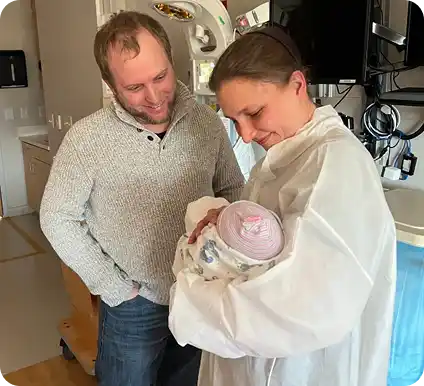
When she called the adoptive parents from the hospital, they drove ten hours through the night to be there. After three days of labor, her son arrived healthy, and so was she. The family she had come to trust was in the room when he was born, and it already felt, in her words, like they were family.
Grief, Faith, and a Lasting Bond
Placement was still hard, and Sarah does not pretend otherwise. In the hours after she said goodbye, the grief hit so heavily that she reached a very low and frightening point. She chose to face that grief head on rather than push it down, leaning on therapy, on prayer, and on the words of Psalm 23. What steadied her was the certainty that her decision had purpose and that her son was exactly where he was meant to be.
Today, Sarah stays in contact with a thriving little boy and the family who loves him, and recently, he asked to FaceTime the woman he calls mama Sarah. Her guidance for other parents is steady and specific.
Questions and steps Sarah encourages expectant parents to consider:
Research your state's adoption laws, including whether birth parents can receive living expenses
Ask your agency and attorney plenty of questions so you are never left in the dark
Talk through expectations early, especially what an open adoption will look like
Notice whether an agency treats your child relationally or like a transaction
Tune out the pressure of outside voices and decide what is best for your child
Find a therapist or trusted support person who understands adoption grief
Looking for support on your adoption journey? Visit VoicesofAdoption.org for resources, community, and real stories from every corner of the adoption triad. Subscribe to Voices of Adoption for honest conversations that meet birth parents and families right where they are.
#VoicesOfAdoption #SarahNeff #BirthMom #OpenAdoption #UnplannedPregnancy #AdoptionStory #BirthParents #ChooseLife #FaithInAdoption #BirthMomSupport #OpenAdoptionJourney #AdoptionTriad #Preeclampsia #AdoptionCommunity #HopeInAdoption
Follow or Subscribe to Voices of Adoption on your favorite platform: Website: VoicesofAdoption.org | YouTube: @VoicesofAdoptionShow | Twitter/X: Voices_Adoption | Instagram: Voicesof_Adoption | Facebook: Voices of Adoption | TikTok: @Voices_of_Adoption | LinkedIn: @Voices-of-Adoption
Follow Nathan Gwilliam: LinkedIn: @nathangwilliam
Follow Donna Pope: LinkedIn: @donna-pope-41652ba